


Heart Health
From cholesterol testing to heart check up tools, we’re here for your heart health with advice and support services.
Speak with a virtual Rexall Pharmacist, assess your heart health with our online Heart & Stroke Risk Assessment tool, and book a cholesterol (Lipid) test or measure your blood pressure at a blood pressure kiosk at select Rexall locations.
Did you know?
There are several risk factors for heart disease and stroke, some that are not within your control, like age or family history, and some that are, like high blood pressure and high cholesterol.
Heart health risk factors
Blood Pressure
Blood pressure is the force of blood pumped from your heart against your blood vessels. This force allows your blood to flow while delivering oxygen and nutrients throughout your body. Too much pressure (high systolic), for too long (high diastolic), can damage your blood vessels and organs such as the heart, kidneys, eyes, and brain.
You should regularly check your blood pressure to determine if you need to start taking measures to control it. According to the Heart & Stroke Foundation, there are three blood pressure risk levels you could fall into:
- Category Systolic/Diastolic
- Low Risk 120/80
- Medium Risk 121-134/80-84
- High Risk 135+/85+
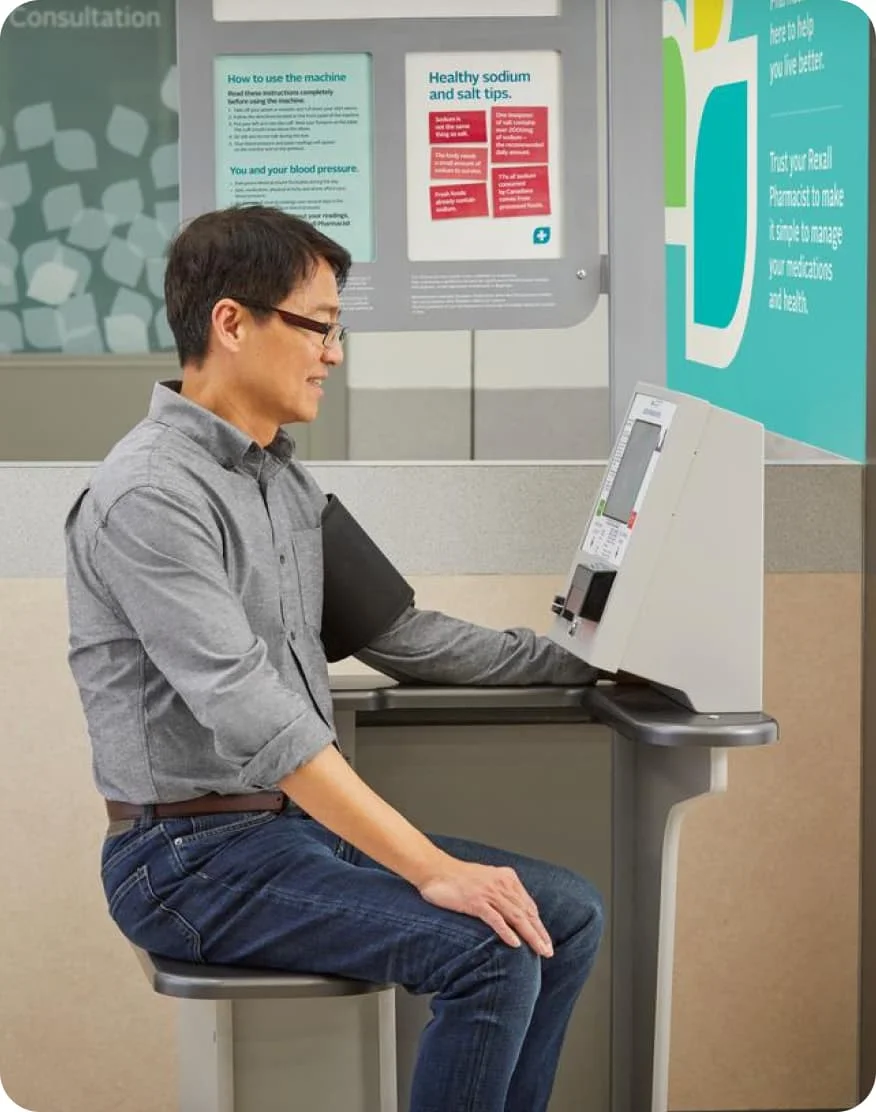
Check your blood pressure and determine your risk at a Rexall Blood Pressure kiosk.
Cholesterol
Cholesterol is a fatty substance in your bloodstream that your body needs to rebuild its cells and make certain hormones. Your body only requires a small amount of cholesterol.
High cholesterol occurs when there is an excess of cholesterol in your bloodstream. This is a common condition, and cholesterol levels tend to increase with age. Unfortunately, high cholesterol can significantly increase your risk of heart disease, stroke, and conditions related to reduced blood flow.
To determine if you have high cholesterol, you can get a blood test which measures your:
- High-Density Lipoprotein (HDL) cholesterol (good cholesterol),
- Low-Density Lipoprotein (LDL) cholesterol (bad cholesterol), and
- Triglycerides (type of fat/lipid)

Book your Cholesterol (Lipid) Test with your pharmacist today.
Early detection is key
Early detection and management of medical conditions, such as high blood pressure, diabetes, and high cholesterol, is key to lowering your risk of heart disease and stroke. According to the Heart & Stroke Foundation:
- 9 in 10 Canadianshave at least one risk factor for heart disease and stroke.
- 80%of premature heart disease and stroke cases can be prevented by building heart healthy living habits.
Heart & Stroke Risk Assessment
Rate your heart health in as little as 7 minutes!
Bring these results to your Rexall Pharmacist to get personalized advice on ways to manage your risks.

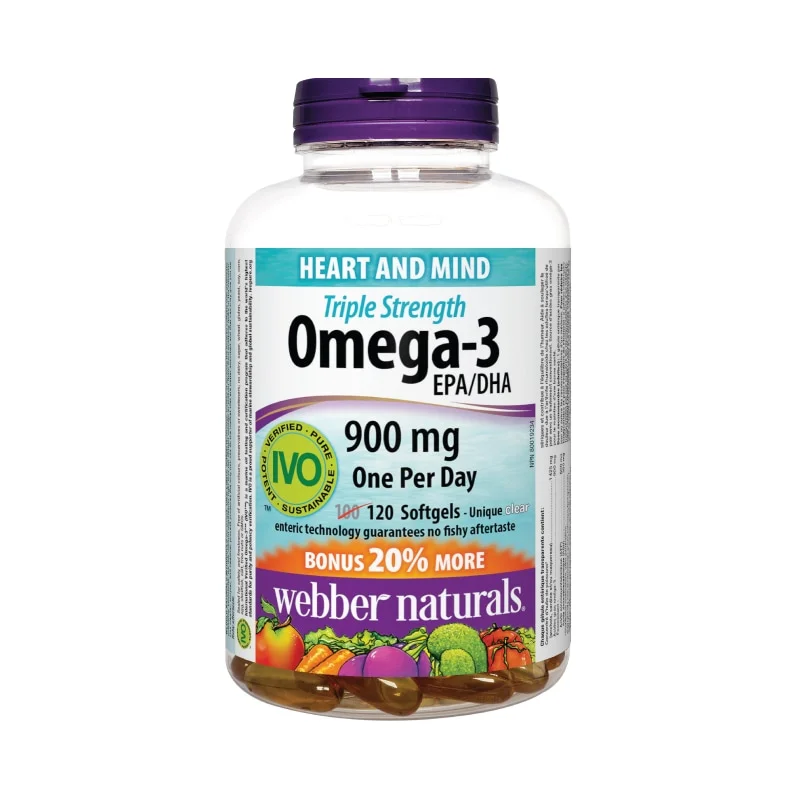
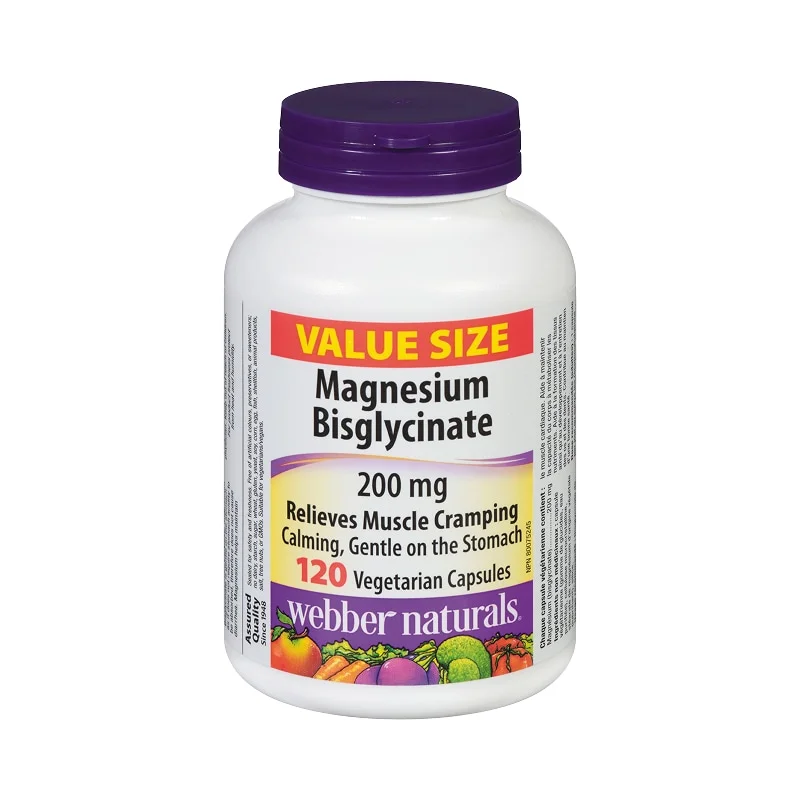
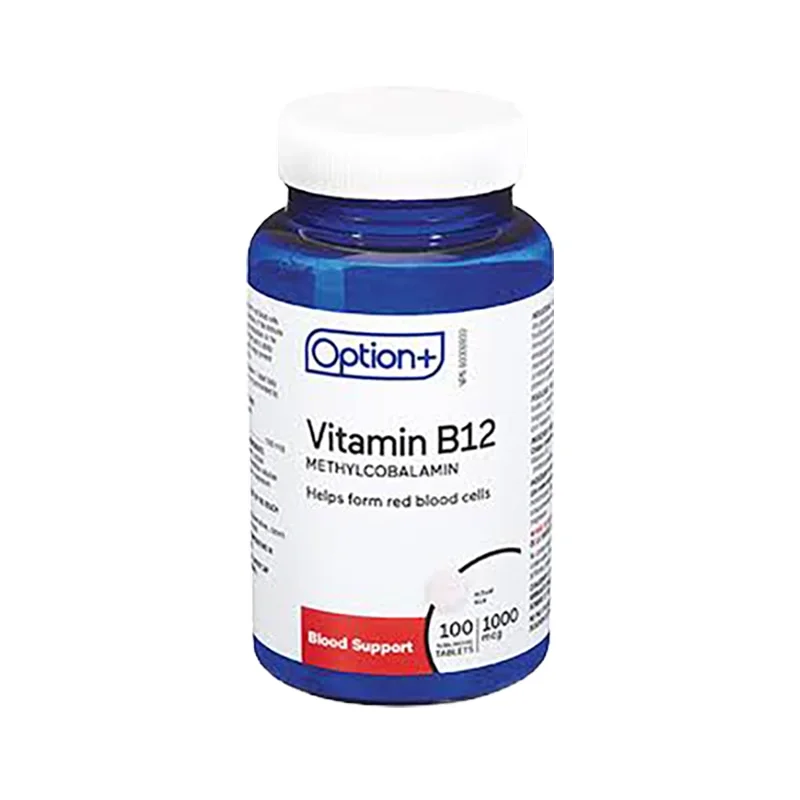
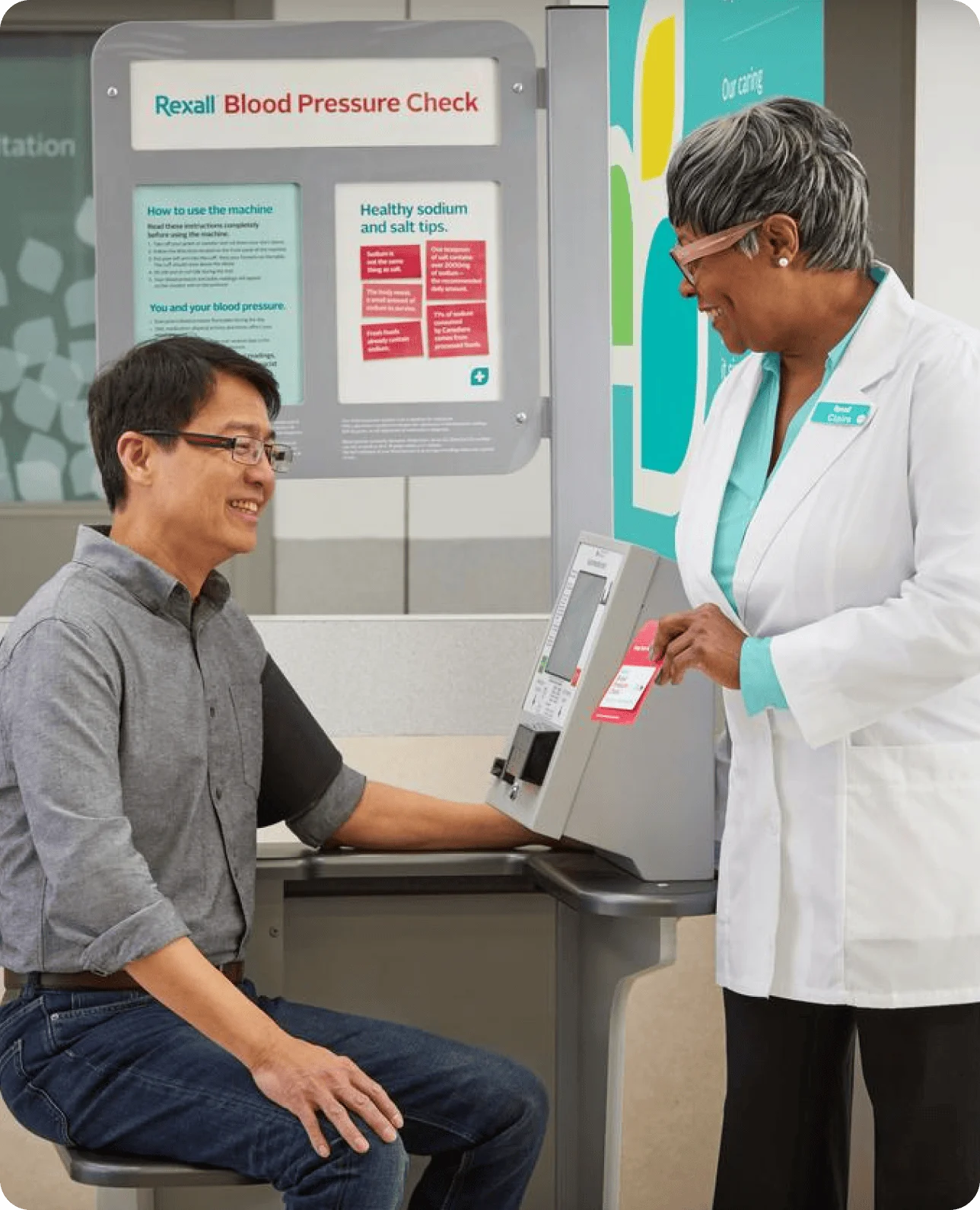
Rexall Pharmacists can help you interpret your numbers
Check your blood pressure and cholesterol levels at Rexall.
Your pharmacist can help you:
- Measure your blood pressure and test your cholesterol levels
- Interpret your blood pressure readings and cholesterol lab values
- Determine when you’re due to get your cholesterol levels checked again
- Show you how to monitor your blood pressure from home with your own Blood Pressure Meter
- Manage your medications with Auto Refill, Rexall Reminders, and RightDose™
Rexall medication management tools

Medication Review
Learn MoreYour pharmacist will review your prescription and non-prescription medications with you and help you better understand your medication therapy and ensure that medications are being taken as prescribed.

Auto Refill
Learn MoreSign up for Auto Refill and your pharmacist will automatically refill your prescription when it is due and before you run out.

Rexall Reminder
Learn MoreSign up for Rexall Reminder and conveniently get notified via text, email or phone call as soon as your prescription is ready for pickup.

RightDose™
Learn MoreTake the right dose at the right time. Switch from your pill organizer to RightDose™ blister packs, a free eco-friendly medication organizer, and get your medications sorted into convenient, detachable prepared doses.
Heart Health Resources
Get expert advice and information to manage and improve your heart health.

Live Smart For Your Heart
Learn MoreDive deep into pharmacist-recommended, heart healthy habits to live by to prevent heart disease and stroke.

Your Heart & Diabetes
Learn MoreDo you have diabetes or care for someone who does? Find out what you can do to lower your risk or theirs for cardiovascular problems.

Stroke Savvy
Learn MoreThere are five things you should know about what raises and lowers your risk for heart attacks and strokes.

About Your LDL Cholesterol (LDL-C) Number
Learn MoreDo you know your LDL-C number and what it means? It's important that you do. Find out what it is and why it matters.
Frequently Asked Questions
How can I improve my heart health quickly?
The best immediate changes you can make to improve your heart health is to incorporate more activity, improve your diet and cut out calorie-rich food and drinks. Even small steps can start to add up, so try incorporating a 10-minute walk into your day and eat one extra piece of fruit or vegetable every day. Simple changes will be easier to maintain, rather than making large lifestyle adjustments.
Is walking good for heart health?
Walking is one of the easiest ways to reduce your risk for heart disease and stroke. It provides an energy boost and is easy to fit into your lifestyle, as opposed to more strenuous workouts. It doesn't just benefit your heart, either: it's great for your lungs, and improves fitness, muscle tone, strength and balance. All that activity also improves sleep, reduces stress and helps combat depression. Even 10 minutes a day can make a difference, but if possibly, try to incorporate 30 minutes of light to moderate walking into your daily routine. You don't even need to do it all at once – it's the total time that you're after.
What does my resting heart rate say about my health?
For adults, a normal resting heart rate ranges between 60 to 100 beats per minute. A lower resting heart rate indicates efficient heart function and strong cardiovascular health.
How can I lower the risk of having a stroke?
The best way to lower your risk of stroke is to maintain a healthy lifestyle. Choose healthy foods and drinks, embrace an active lifestyle with regular physical exercise and maintain a healthy weight. Avoid smoking and excessive alcohol, and work with your health care professionals to lower blood pressure, control your medications and get checkups regularly.
How can I decrease the risk of heart disease?
Not all factors that contribute to heart disease can be controlled: your family history, your sex at birth or your age can all play a role. However, there are many steps you can take to reduce your risk of heart disease. Avoid smoking and tobacco, eat a heart-healthy diet, and make sure to get regular exercise – aim for at least 30 to 60 minutes of activity on a daily basis. It's also important to reduce stress and get plenty of sleep. Above all, get regular check-ups and take steps to avoid infections as certain infections can lead to heart problems.
Rexall Pharmacists can help you interpret your blood pressure readings.
Simply check your blood pressure at the Blood Pressure kiosk available in select Rexall stores.