
GLP-1 Medications

Whether you are scrolling on the internet, viewing social media feeds, or talking with friends, you have likely heard about GLP-1 medications. It seems like everyone from high-profile celebrities to your next-door neighbour are using one of these medications to lose weight. But are they right for everyone? Read on to find out the facts about these medications.

What is GLP-1?

Let's start with the basics. GLP-1 is also known as glucagon-like peptide-1, a type of hormone that is produced in the body, specifically in the gut. GLP-1 was discovered by scientists in the 1980s and was found to help regulate blood sugar levels and appetite.1

How do GLP-1 medications work?

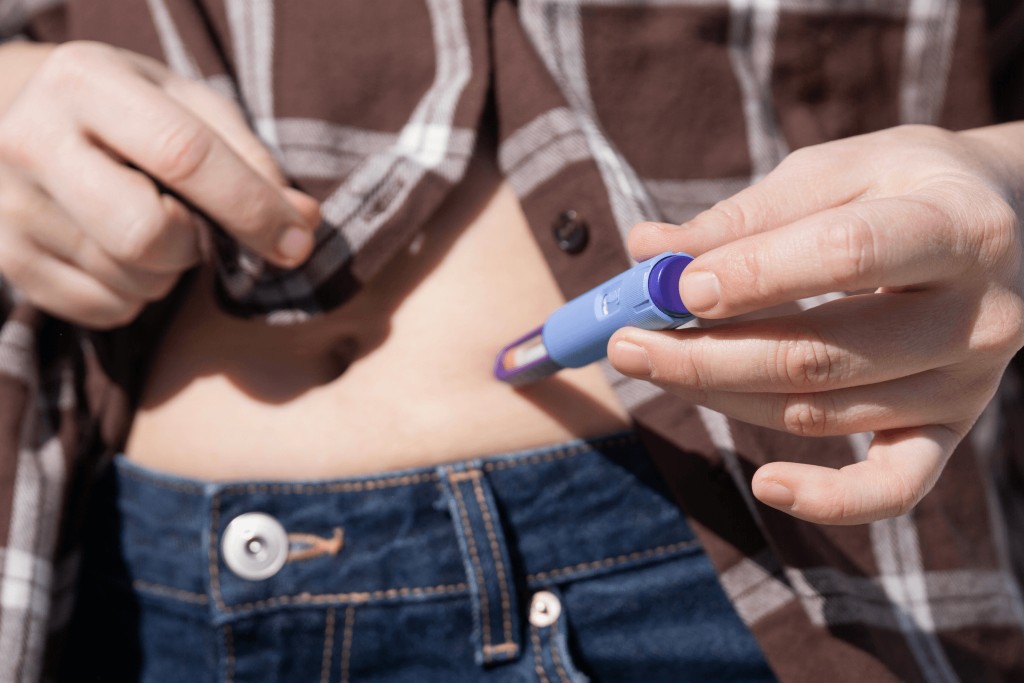
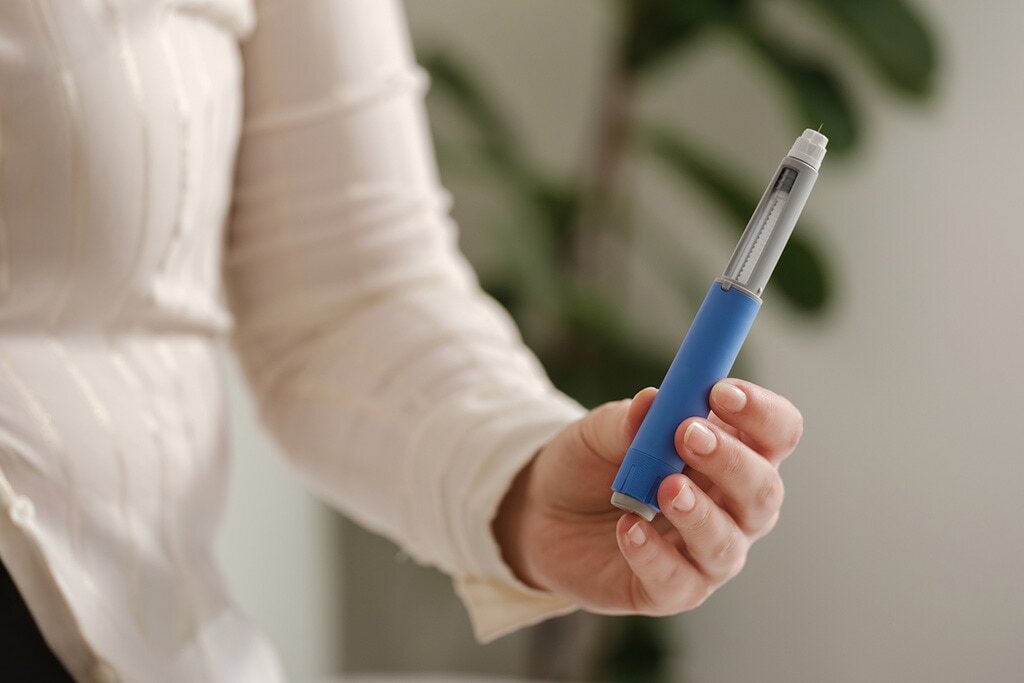
With the discovery of the GLP-1 hormone, scientists later developed drugs that act like this hormone, and produce similar effects as the hormone, including helping to release insulin when blood sugar is high, reduce sugar that is released from the liver, help you feel full by slowing down stomach-emptying, and working in the brain to reduce appetite signals. These drugs, referred to as GLP-1 receptor agonists, were originally created to treat type 2 diabetes, but it was discovered that they also caused weight loss. This led to the approval of the drugs known as liraglutide (Saxenda®) and semaglutide (Wegovy®) for the treatment of obesity.1 Tirzepatide (Zepbound®) is another medication that activates GLP-1 as well as another hormone, called glucose-dependent insulinotropic polypeptide (or GIP), to cause weight loss by regulating appetite and fullness.2 All three of these medications are given as subcutaneous (under the skin) injections either daily or weekly.2,3,4

Person in restful sleep

What are GLP-1 medications used for aside from weight management?

While most people think of these medications as a simple solution to help achieve weight-loss goals, they have other benefits that are equally important to consider.

In people with diabetes, GLP-1 receptor agonists have been shown to reduce the risk of hospitalization due to heart failure, as well as major cardiovascular events such as heart attacks and improve blood sugar levels. They can also slow progression of kidney disease in people with and without type 2 diabetes.5

Who can benefit from using GLP-1 medications?

Liraglutide and semaglutide can be considered for people 12 years of age and older for long-term management of weight, who meet specific criteria of BMI (body mass index), weight percentile, co-existing diseases, or inadequate response to a lower-calorie diet plus physical activity.3,4 Tirzepatide is only approved for use in adults 18 years of age and older.2 People with type 2 diabetes who have atherosclerotic cardiovascular disease (coronary artery disease) can improve their blood sugar and prevent serious heart problems like heart attacks. GLP-1 medications can also be used to treat obesity in people with and without diabetes.6 These medications are not recommended for people who are pregnant or breastfeeding or for those who are trying to get pregnant.6 Also, people who are allergic to any of the ingredients in these products, who have had medullary thyroid cancer or multiple endocrine neoplasia syndrome type 2 or have a family member who has had one of these conditions, should not take GLP-1 receptor agonists or tirzepatide.2,3,4

How long do these medications take to start working?

It is important to remember that GLP-1 medications are meant to be used for the long-term, and most of the studies of these medications evaluated weight loss after several months of use.6 Some studies have shown the greatest weight-loss effect with these medications occurs at about 24 to 30 weeks after starting, but this can vary among people who take GLP-1 medications.7 When people stop taking GLP-1 medications, they usually gain weight, so long-term use is important to sustain the weight loss.6,8

Healthy sleep habits

How effective are they?

GLP-1 medications are safe and effective for weight management and for treatment of weight-related health concerns. They are usually used in combination with health behaviour changes.

To put this into perspective, the Obesity Canada Guideline lists the following information about effectiveness of these medications for weight loss.6

  • Liraglutide: 5.4% weight loss at 56 weeks
  • Semaglutide: 12.4% weight loss at 68 weeks
  • Tirzepatide: 11.9% to 17.8% weight loss (depending on the dose used) at 72 weeks

Remember that these numbers are from research studies, and that each person has a unique experience with different weight-loss results.

While GLP-1 medications support weight management, it is equally important to note the other health benefits that people who take them can experience. Some other benefits of GLP-1 medications may include:6

  • Reduced risk of serious heart problems
  • Improvement in blood pressure and cholesterol levels
  • Decreased risk of prediabetes becoming type 2 diabetes
  • Reduced A1C (a measure of average blood sugar over a few months) in people with type 2 diabetes
  • Improvement in liver health

What are some common myths about these medications for weight loss?

With the amount of media focused on GLP-1 medications, there are many myths that have been circulating about these drugs. Let's debunk some of the most common ones.

  • I don't have to change my diet or exercise if I take a GLP-1 medication.

    Taking a GLP-1 medication to treat obesity or overweight should be combined with lifestyle and behavioural changes, including healthy diet and optimal physical activity.6

  • I can stop taking the medication when I lose the weight I want to lose.

    Treating obesity should be approached similarly to treating other conditions like high blood pressure or high cholesterol, where medications should be taken regularly over the long term to achieve and sustain health benefits. It has been shown that weight gain does occur after stopping GLP-1 medications, so it is important to consider that you will need to continue taking the medication long-term to keep the weight off and continue to get the other health benefits that GLP-1 medications provide.6

  • The side effects of GLP-1 medications are unbearable.

    Most people are not too bothered by side effects of these medications. However, some people may experience nausea, vomiting, constipation, and diarrhea.6 Usually, these effects occur early in treatment and when the dose is being increased. Often, slower dose increases or reducing the dose can help reduce side effects.9

  • You will lose your appetite when you take a GLP-1 medication.

    GLP-1 medications work by regulating, not losing, your appetite in your brain and by allowing you to feel full sooner. They can help to reduce hunger and cravings for high-calorie, sweet, or salty foods. This can allow you to focus on healthy, nutrient-dense meals and snacks.9

How should I eat when taking a GLP-1 medication for weight loss?

Since GLP-1 medications reduce the movement of the gut, this can affect the absorption of some nutrients and they can cause side effects such as constipation, nausea, vomiting and diarrhea, but also bloating and fullness. Also, people will eat less when they take a GLP-1 medication, and this can increase the chance that they are missing key nutrients, such as iron, calcium, magnesium, zinc, and certain vitamins.9 Rapid weight loss can lead to reduced muscle and bone mass.9 Because of this, it is important to adopt a healthy eating pattern while taking a GLP-1 medication that will help you minimize side effects, and ensure that you continue to consume a balanced diet.

In general, to ensure you are consuming a balanced and healthy diet, focus on fruits, vegetables, whole grains, low-fat dairy, lean proteins, nuts and seeds, and plant fats and oils (e.g., olive oil, avocado oil). Avoid excessive alcohol intake, and minimize your consumption of refined carbohydrates (e.g., added sugars), sugar-sweetened beverages, red and processed meats, excessive sweet and savoury snacks, and most fast foods.9

It's also a good idea to avoid going for long periods of time without eating. This might cause you to turn to less healthy choices such as refined carbohydrates and sugary foods to satisfy your appetite when you are overly hungry.9

Here are some general tips to keep in mind when it comes to choosing foods to help you manage the side effects of GLP-1 medications.9,10

  • Avoid frying foods. Instead, opt to steam, bake, or boil them.
  • Hydration is important, especially if you are vomiting or have diarrhea. To prevent dehydration, drink water in small sips throughout the day. Avoid drinking large amounts of water during meals.
  • In the first few days of taking the medication, avoid high-fibre and high-fat foods to minimize side effects.
Healthy sleep habits

To feel your best when taking a GLP-1 medication consider these tips for changing your eating routine.9,10

  • Eat small meals but enjoy them frequently.
  • Eat slowly.
  • Avoid laying down after meals.
  • Avoid vigorous exercise or activity after eating.
  • Skip the tight pants and belts.
Healthy sleep habits

If you have questions about taking a GLP-1 medication to manage obesity and improve weight-related health concerns, talk with your doctor or Rexall pharmacist. They can help you determine if the treatment is right for you. If you are prescribed a GLP-1 medication, your Rexall pharmacist can coach you on how to use and inject it properly, and how to manage side effects should they occur. Don't forget that a GLP-1 medication is not only a weight-loss tool, but also part of your plan to improve your overall health.

    1. Darwish R, Ghena Abu-Sharia G, Butler AE. History of glucagon-like peptide-1 receptor agonists. Pharmacological Research. 2025;222:108045. https://doi.org/10.1016/j.phrs.2025.108045.
    2. Zepbound product monograph. Eli Lilly Canada Inc. February 2026.
    3. Saxenda product monograph. Novo Nordisk Canada Inc. December 2022.
    4. Wegovy product monograph. Novo Nordisk Canada Inc. March 2024.
    5. Diabetes Canada Clinical Practice Guidelines Expert Working Group. Pharmacologic Glycemic Management of Type 2 Diabetes in Adults: 2024 Update. https://guidelines.diabetes.ca/cpg/chapter-13-2024-update. Accessed February 28, 2026.
    6. Pedersen SD, Majoo P, Dash S, et al. Canadian Adult Obesity Clinical Practice Guideline: Pharmacotherapy for Obesity Management in Adults. Available from: obesitycanada.ca/healthcare-professionals/adult-clinical-practice-guideline. 2025. Accessed March 2, 2026.
    7. Li Z, Han Z, Sun R, et al. Long-Term Efficacy Trajectories of GLP-1 Receptor Agonists: A Systematic Review and Network Meta-Analysis. Diabetes Metab Syndr Obes. 2025;18:3611-3624. doi: 10.2147/DMSO.S539822.
    8. Tzang C, Wu PH, Luo CA, et al. Metabolic rebound after GLP-1 receptor agonist discontinuation: a systematic review and meta-analysis. eClinicalMedicine. 2025. Volume 90, 103680.
    9. Mozaffarian D, Agarwal M, Aggarwal M, et al. Nutritional priorities to support GLP-1 therapy for obesity: a joint Advisory from the American College of Lifestyle Medicine, the American Society for Nutrition, the Obesity Medicine Association, and The Obesity Society. Am J Clin Nutrition. 2025;122(1):344-367.
    10. Gentinetta S, Sottotetti F, Manuelli M, et al. Dietary Recommendations for the Management of Gastrointestinal Symptoms in Patients Treated with GLP-1 Receptor Agonist. Diabetes Metab Syndr Obes. 2024;17:4817-4824. doi: 10.2147/DMSO.S494919.

Shop Essentials for Weight Loss

Your Health Matters

Pharmacist consulting with patient

Enroll in our Weight Management Program

Get a comprehensive assessment and create a personalized weight management plan. Book a free consultation to learn more.

Book Now Learn More