


Your water bottle isn’t a magic ticket to a lower number on the scale, but there are many benefits to staying hydrated.




Get a comprehensive assessment and create a personalized weight management plan. Book a free consultation to learn more.
Your water bottle isn’t a magic ticket to a lower number on the scale, but there are many benefits to staying hydrated.
Fun fact: your body is made up of 60% water! No wonder good hydration is important to so many aspects of your health, from keeping your skin looking bright, to regulating your blood pressure, and even boosting your brain power. In addition, there are many ways that increased water intake can help with weight maintenance, including stimulating metabolism and curbing appetite.1
It's important to drink water to stay hydrated because you lose water throughout the day, through your breath, sweat, urine, and bowel movements. On a hot summer day, or during strenuous activity, like a gym workout, you lose even more fluid. And all this fluid needs to be replaced through what you eat and drink.
Get a comprehensive assessment and create a personalized weight management plan.
Learn more about the program →Many fruits and vegetables, like oranges and cucumbers, are particularly hydrating. Other foods like soups, smoothies, and even fish, can help your meet your daily hydration needs. All liquids, including tea, soda, and juice will help you stay hydrated. Even unsweetened coffee, which some people wrongly assume is dehydrating, will contribute to your body's hydration needs. (Just beware that consuming excessive amounts of caffeine can have unwanted side effects like insomnia and headaches.)2
All that said, drinking water is still one of the best beverage options, especially if you are trying to lose extra pounds.

Wondering how much water to drink daily? A common general guideline is for adults to aim to drink six to eight 250 mL glasses of water every day, but you might need more on hot days, or if you are exercising and sweating a lot. If you are a healthy person and you are feeling well, urinating every few hours, and not thirsty very often, you are probably meeting your hydration needs.
Signs of moderate dehydration include:
(Call 911 if you ever feel too weak or dizzy to stand or pass little or no urine for 12 hours or more, as these are signs of severe dehydration, which requires emergency treatment.)3
Get a comprehensive assessment and create a personalized weight management plan. Book a free consultation to learn more.
While research has not shown a direct link between drinking more water and shedding pounds, staying sufficiently hydrated can support your weight-loss journey in a variety of ways. While there are a lot of factors that affect a person's weight, if your goal is long-term, sustainable weight loss, making sure that you are drinking enough water throughout the day is a good place to start.1
You may have heard that sipping more H2O will help you burn excess fat and exercise more efficiently, which are both important for weight management, but there isn't enough science to fully support these claims. Muscle cramping and fatigue can be brought on by dehydration, but health experts say that additional hydration before a bike ride, yoga class or session of free weights won't make much difference in terms of exercise-related weight loss. Likewise, there is not enough strong evidence to fully support the idea that drinking a few additional glasses of water will help you burn enough extra fat to support meaningful, long-term weight loss.4
That said, there are a few ways that drinking more water can help with your weight management goals:
Sipping a big glass of water before you sit down to breakfast, lunch, or dinner can help you eat less by helping you feel more full before you begin to eat. Your stomach has nerves that send signals to your brain that you should stop eating, once it gets full. If your belly is partly full of water before you begin eating, this full signal will sound off sooner.4 One study showed that middle-aged and older people who drank water before their meals, while following a low-calorie diet, consistently felt less hungry and lost weight.5 Another similar study followed overweight women who drank 500 mL of water before breakfast, lunch, and dinner, and found they shed pounds, body fat, and reduced their body mass index (BMI) after two months.6
If you usually drink regular soda, sweet coffee drinks, fruit juice, or alcoholic beverages like beer and wine, you are probably consuming more calories than you realize. Everyday beverages can contain a lot of hidden calories. For example, a bottled sweet tea could contain 143 calories, a serving of soy milk might be as much as 191 calories, while a beer could be upwards of 155 calories.7 Although there are not many strong studies to illustrate this, it makes sense that replacing most of the beverages you would consume in a day with plain old water would promote weight loss over time by slashing daily calorie consumption. Diet drinks are a reasonable alternative, particularly for adults with overweight or obesity who have diabetes or are at risk of diabetes, but more research on low-calorie and no-calorie sweetened beverages is needed. If you are trying to lose weight, reaching for a glass of water instead of wine, juice, or a soft drink seems like a good idea.
There is some research to show that drinking water can stimulate your body's metabolism and energy expenditure. When you drink cold water, your body has to use energy to warm it up to body temperature. (This is called thermogenesis.) And the more energy you need to use daily, the faster your metabolism (the process by which your body converts what you drink and eat into energy).1 One study found that drinking two cups of 21°C water before meals led to a 30% average boost in metabolic rates in the healthy adults it followed.8 While experts agree that the efforts of thermogenesis are not likely to create a big calorie deficit or significantly change your metabolism, it may help as part of a broader weight loss plan.1
Making H2O your beverage of choice will do your body good and support your weight management goals. Here are a few tips to help you reach for a glass of water more often.
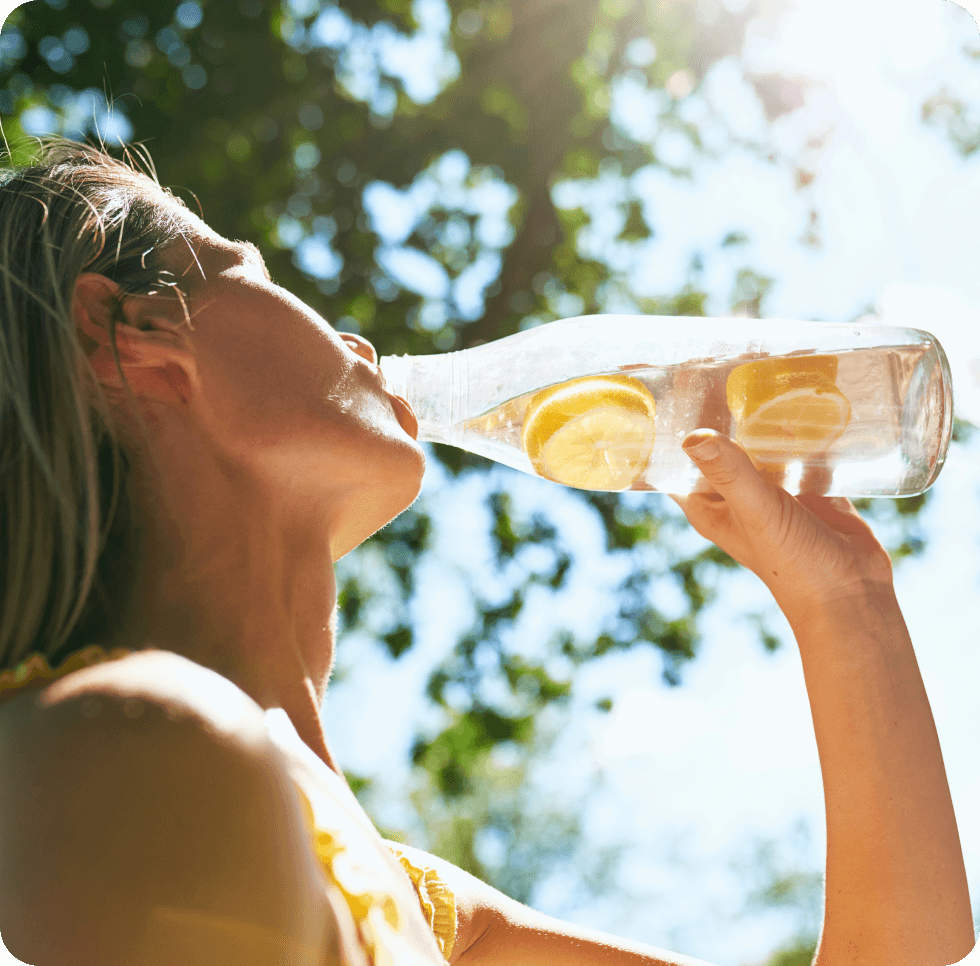
Water is essential to many of your bodily functions, and helpful on a weight-loss journey because it can help to suppress your appetite and is a smart way to reduce your sugar and calorie intake. That said, there isn't much science to support the idea that drinking more water can lead directly to weight loss. If you need to shed a significant number of pounds, it would be best to follow a plan that includes good nutrition, exercise, and other health-promoting lifestyle changes. If you are ready to start a new weight management plan or find your weight loss has stalled and would like some advice, talk to your Rexall pharmacist about ways they can help.


Get a comprehensive assessment and create a personalized weight management plan. Book a free consultation to learn more.