


Avoid Chemicals
Avoid products that can irritate skin (diaper wipes, fragrances, detergents and fabric softeners).

An area of inflamed skin in the groin, thighs, or buttocks of infants and young children. Diapers, whether reusable or disposable, create a hot, moist environment that traps diaper contents against the skin, which causes irritation and can promote infection. Most babies get a diaper rash at some point.

Your pharmacist can assess your symptoms, write and fill prescription treatment or recommend OTC products.
Diaper rash may be caused by any number of factors, including:
Contact with urine and feces: Prolonged exposure to urine and feces can irritate the skin.
Method of feeding: Bottle-fed babies may experience more diaper rashes than breast-fed babies because breast-fed babies tend to have a smaller volume of stools, which is less irritating to the skin.
Friction and rubbing: Tight-fitting diapers that chafe against the skin, or skin-to-skin contact within skin folds in the diaper area can lead to a diaper rash.
Pre-existing skin conditions: Eczema and atopic dermatitis make skin more prone to developing a diaper rash.
Contact with irritating chemicals: Found in fabric softeners, detergents, baby lotions, fragrances, soaps, and baby wipes, chemicals can be very irritating to the skin and should be avoided.
Antibiotic use: Using antibiotics can disrupt the normal balance of "good bacteria," which normally keep certain organisms under control.
Infections: The dark, damp, and moist environment created by a diaper is a perfect breeding ground for bacterial or yeast infections (e.g., Candida) on the skin.
Diaper rashes often appear as redness on the skin, with shiny patches and some pimply spots. The diaper area, which includes the buttocks, upper thighs, and genitalia. The affected skin may also be warm to the touch. The folds or creases of the skin are usually unaffected.
An infant or young child with a diaper rash may be more irritable and may complain or cry during diaper changes, especially when the skin in the diaper area is being cleaned or touched. An infection is usually indicated by red bumps that are present in the skin folds or creases. Blisters, pus, or red and severely swollen areas can also be signs of infection. "Satellite" red areas beyond the main rash are common with Candida yeast infection rashes.
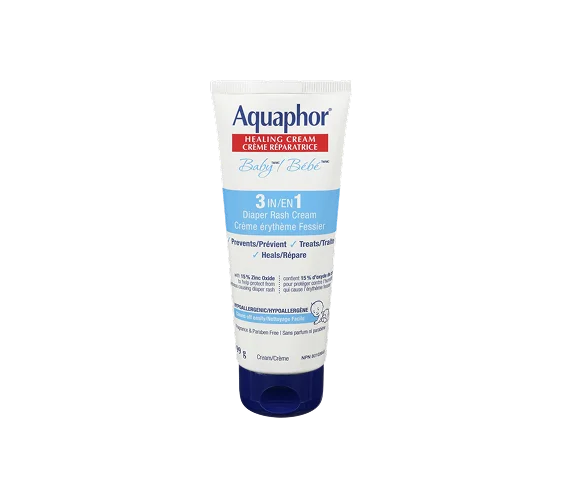
Baby Healing Diaper Rash Cream - 99 GR
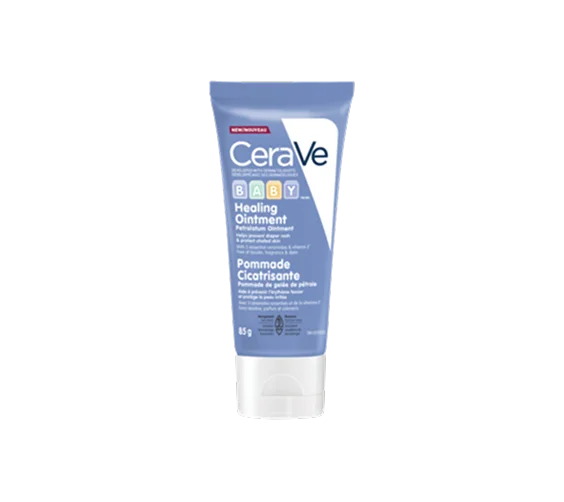
Baby Healing Ointment - 85 GR
Daily Baby Diaper Rash Protection Cream - 100 GR
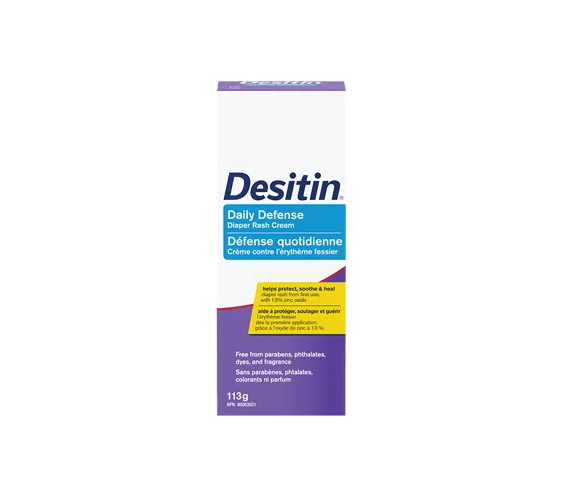
Diaper Rash Daily Defense Baby Cream - 113 GR
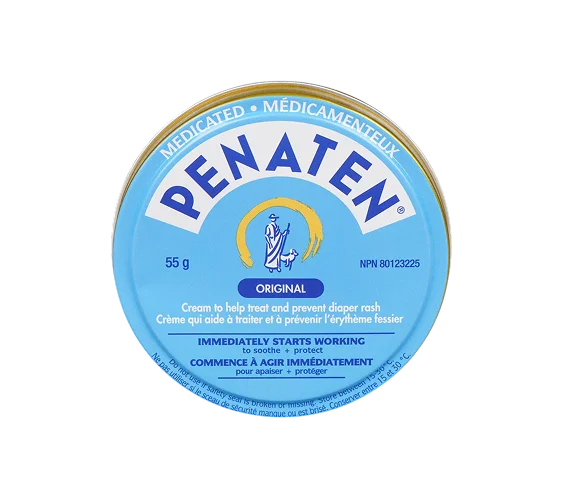
Original Medicated Cream - 55 GR
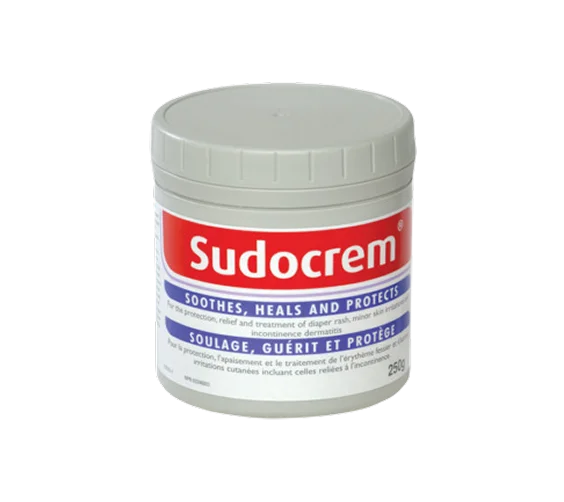
Diaper Rash Cream - 250 GR
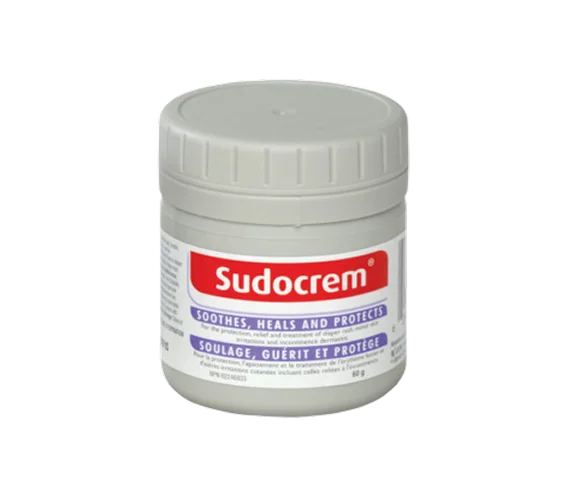
Diaper Rash Cream - 60 GR
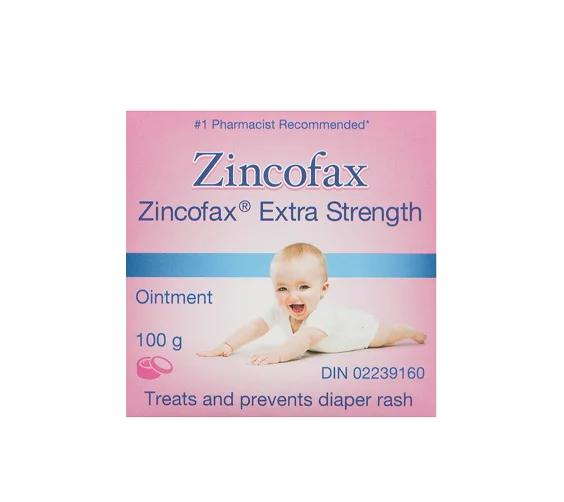
40% Extra-Strength Ointment - 100 GR
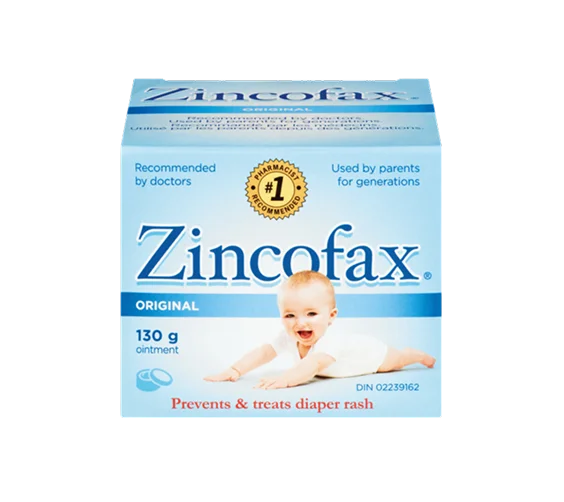
15% Original Ointment - 130 GR
Avoid products that can irritate skin (diaper wipes, fragrances, detergents and fabric softeners).
Keep your baby's bottom dry by changing their diaper often, especially through the night.
Talcum powder and cornstarch may cause respiratory problems or promote yeast infections.
After a diaper change, let your baby go diaper-free for a while to air-dry their bottom.
If using washable diapers, make sure they're well-rinsed to wash out any detergent.
Barrier creams that contain zinc oxide or petroleum jelly can help prevent skin irritation.

Impetigo is a contagious skin infection caused by bacteria, most commonly affecting children between 2 and 5, but anyone can get it.
Learn More
Pinworm is a small parasitic worm causing intense anal itching, especially at night. Common in children, it spreads in crowded or unsanitary conditions.
Learn More
A Rexall Pharmacist can help you manage a skin rash such as eczema and contact dermatitis (from poison ivy or other sources).
Learn More
Pink Eye, also known as conjunctivitis, is a common eye condition that causes irritation, swelling, and inflammation of the membrane that covers the white of the eye.
Learn MoreBarrier creams containing zinc oxide are widely considered the most effective option for protecting and soothing irritated skin. Products with a higher concentration of zinc oxide (30–40%) provide a stronger protective barrier against moisture. Petrolatum-based ointments are also effective and are gentler on very sensitive skin. Your Rexall Pharmacist can recommend the right product based on your baby’s specific needs.
Rapid improvement is possible with consistent care: change diapers immediately after soiling, gently cleanse with warm water (avoid wipes with fragrance or alcohol), allow the skin to air-dry completely, and apply a thick layer of zinc oxide barrier cream at every change. Giving your baby some diaper-free time can also speed healing. If the rash does not show clear improvement within 24 hours, speak with your Rexall Pharmacist, as a yeast infection or bacterial cause may require a different treatment.
Diaper rash typically appears as red, tender, or shiny skin on the buttocks, inner thighs, and genital area — the areas most in contact with the diaper. The skin may look puffy or feel warm to the touch, and your baby may seem fussier than usual, especially during diaper changes. In more severe cases, small pimples, blisters, or open sores may develop.
The most common cause is prolonged contact with urine or stool, which breaks down the skin’s protective barrier. Other contributing factors include tight-fitting diapers that chafe the skin, harsh chemicals in wipes, detergents, or fragrances, introduction of new foods, and antibiotic use that disrupts the natural balance of bacteria in the gut and skin. Yeast (Candida) infections can also cause or worsen diaper rash.
Treatment focuses on keeping the area clean, dry, and protected. Change diapers frequently, cleanse gently with warm water, pat dry, and apply a barrier cream with zinc oxide or petrolatum at every change. If the rash is caused by a yeast infection, your Rexall Pharmacist may recommend an antifungal cream such as clotrimazole. Avoid products containing alcohol, fragrance, or talcum powder, as these can worsen irritation.
The best prevention is keeping your baby’s skin clean and dry. Change diapers promptly after soiling — especially overnight — and use fragrance-free wipes or plain warm water for cleansing. Apply a thin layer of zinc oxide or petrolatum barrier cream at each change, even when the skin looks healthy, and allow brief periods of diaper-free air time each day. If using cloth diapers, rinse them thoroughly to remove all detergent residue.
Seek advice from a healthcare provider if the rash does not begin to improve after three to four days of consistent home treatment, if it appears to be spreading, or if the skin develops blisters, open sores, oozing, or crusting. You should also seek prompt attention if your baby has a fever, seems in significant pain, or if the rash is accompanied by bright red skin with raised borders — a pattern that can suggest a yeast infection requiring prescription treatment. Your Rexall Pharmacist can assess the rash and advise on the right next step.
A yeast (Candida) diaper rash has a distinctive appearance: it typically presents as a bright red rash with a slightly raised, well-defined border and small red “satellite” spots that dot the skin around the main rash. It often appears in the skin folds of the groin and does not improve with standard barrier creams alone. If you suspect a yeast rash, speak with your Rexall Pharmacist, as antifungal treatment is usually needed.
A Rexall Pharmacist can assess your baby’s diaper rash, recommend appropriate over-the-counter products, and write prescription treatment such as antifungal or anti-inflammatory creams for more stubborn or complicated rashes, if appropriate. They can also advise on preventive care and help you decide whether a visit to a physician is needed. Book Consultation (opens in new tab) at your nearest Rexall today.