


Wear Sunscreen
As sunlight can be a trigger, wear a hat or sunscreen to protect your lips and face.

Cold sores, also known as fever blisters, are highly contagious blisters that appear around the mouth and lips. By age 50, approximately 90% of the population have been exposed to the virus. On average, people who get cold sores usually have 3 to 4 episodes a year, but this figure can vary significantly from person to person.
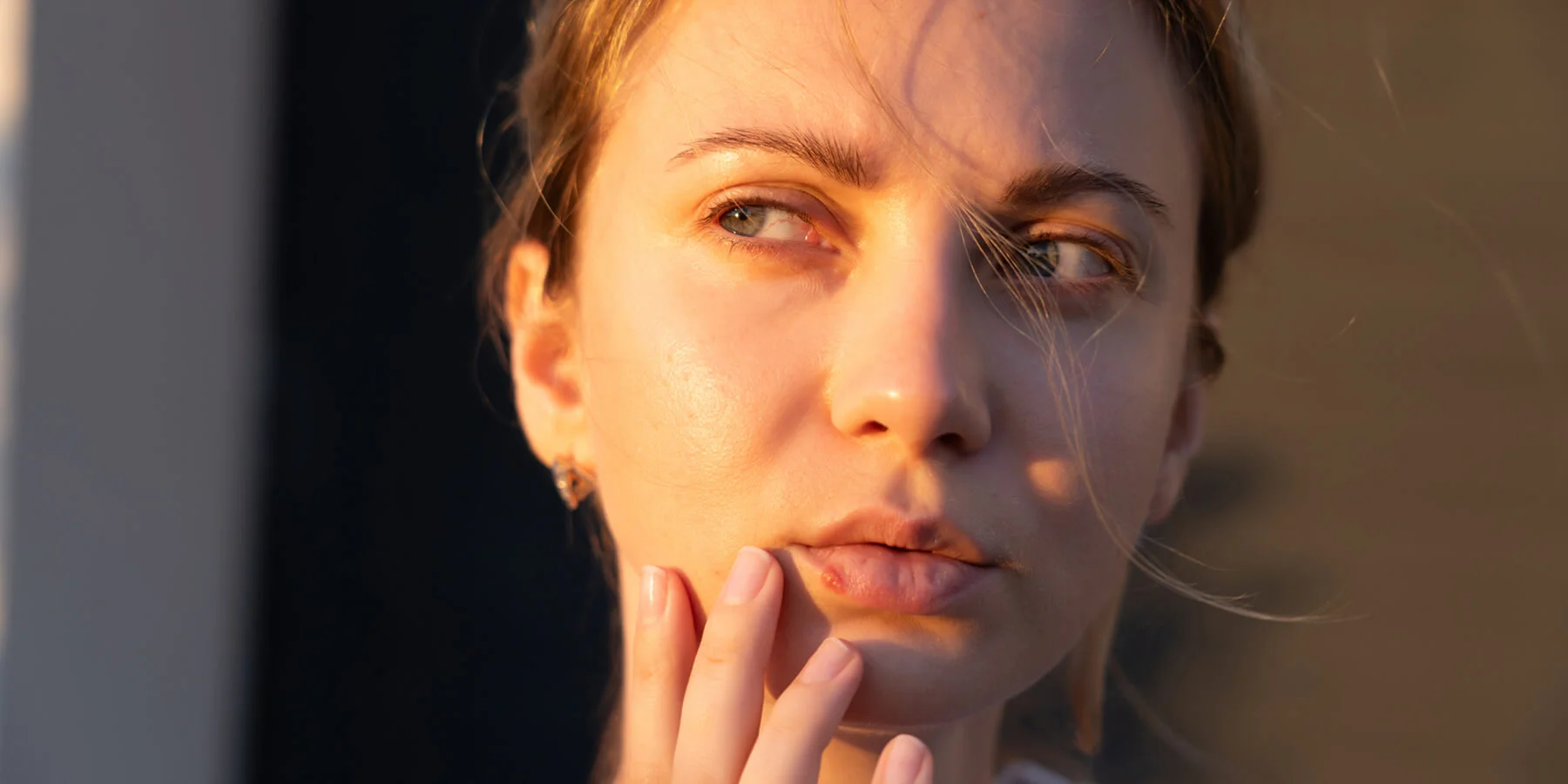
Your pharmacist can assess your symptoms, write and fill prescription treatment or recommend OTC products.
The herpes simplex 1 virus most commonly causes cold sores. The virus typically resides in a dormant state within the body's nerve cells, where the immune system keeps the virus inactive. When an infected person is exposed to a trigger, or if the immune system is weakened, the virus quickly spreads down the nerve cell and out onto the skin, usually on the border between the lips and the face. This produces the characteristic tingling sensation and subsequent blister. About 50 to 80% of people in North America have dormant (inactive) herpes 1 virus living permanently in their body.
People who get cold sores may feel tingling, burning, pain, or numbness around the lips in the 2 to 24 hours before the blisters appear. This is called a prodrome or warning sign that cold sores will appear at these spots. The skin then turns red and blisters form. They ooze a clear liquid that dries to a yellow crust and can be painful in the first few days. Complete healing takes from 10 to 19 days for new infections, and 5 to 10 days for recurring infections.
The condition can cause a cluster of blisters around the lips, inside of the mouth, around the nostrils, or even on the surface of the eyes. As it's highly contagious, it's possible to spread the virus to other parts of your body if you touch the blisters and then touch yourself elsewhere. If the virus infects the eye, it can lead to vision loss. Very rarely, it can get into the brain, causing viral meningitis or encephalitis. The virus that causes cold sores, herpes simplex 1, can also be spread to the genitals during oral sex, leading to genital herpes. Herpes simplex 1 never goes away completely, so cold sores can return.
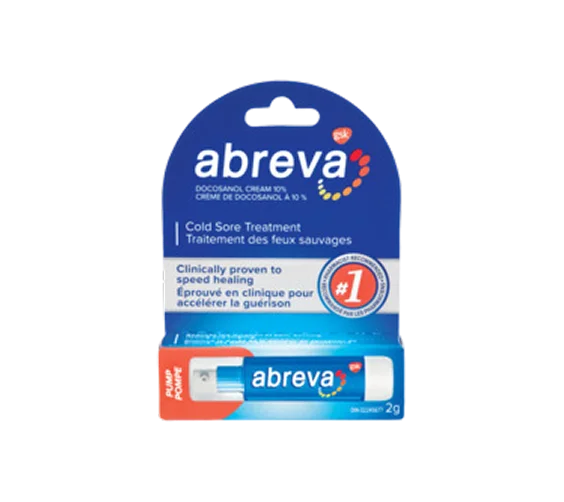
Cold Sore Treatment Cream Pump - 2 GR
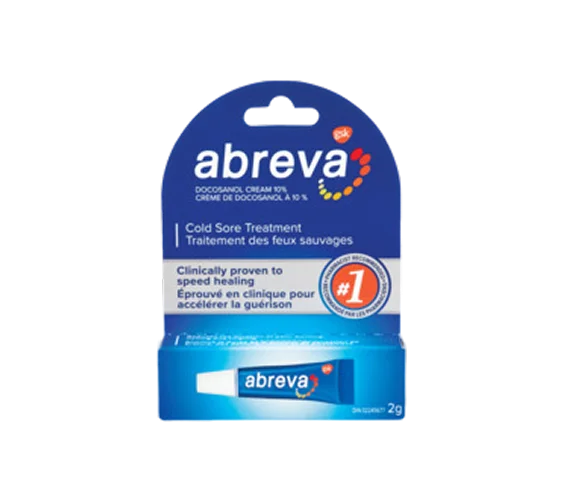
Cold Sore Treatment Cream Tube - 2 GR
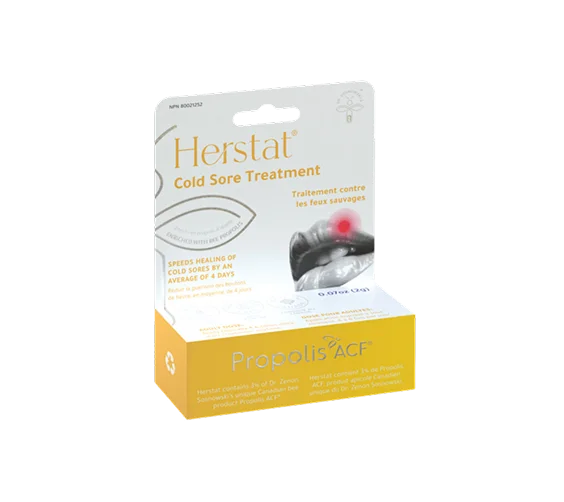
Propolis Cold Sore Ointment - 2 GR
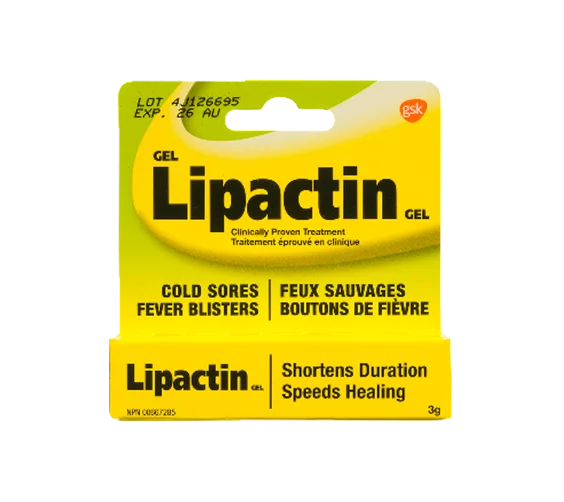
Cold Sore Gel - 3 GR
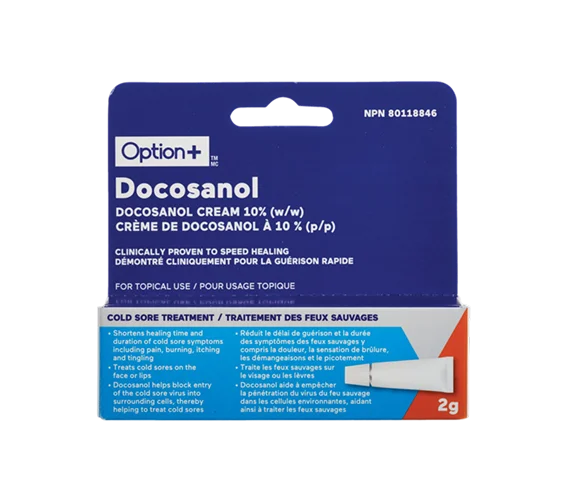
10% Docosanol Cream - 2 GR
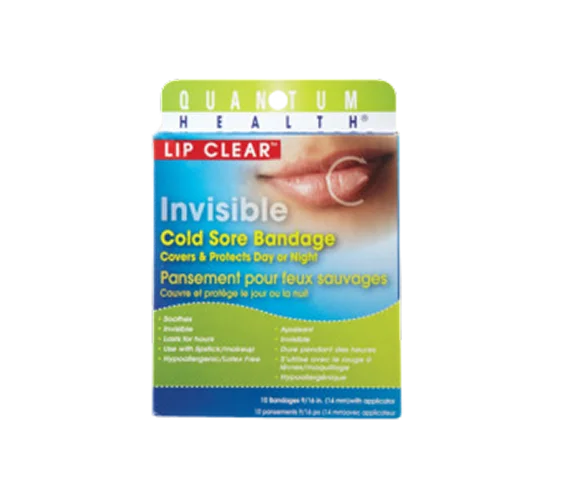
Lip Clear Invisible Cold Sore Bandage - 10 CT
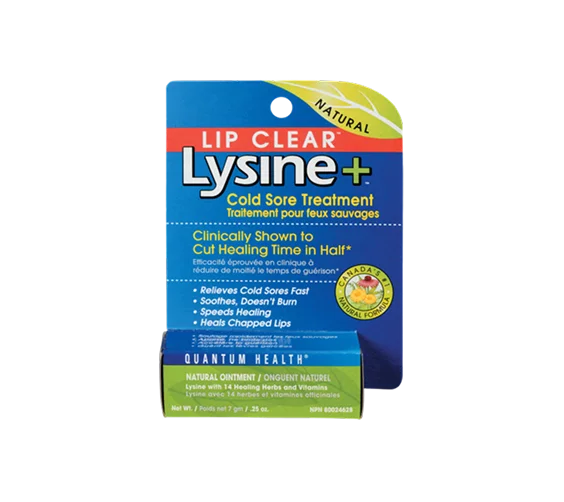
Lipclear Cold Sore Treatment - 7 GR
As sunlight can be a trigger, wear a hat or sunscreen to protect your lips and face.
Eat properly, get enough sleep and exercise to stay relaxed and keep stress at bay.
Never touch active blisters on other people (through kissing or oral sex).
Wash your hands frequently to avoid passing the virus on to others.
Keep away from newborns, pregnant people, or those with weakened immune systems if you have a cold sore.
Avoid sharing personal items like toothbrushes, lipstick, cutlery, cups, or towels.

A Rexall Pharmacist can help you manage a skin rash such as eczema and contact dermatitis (from poison ivy or other sources).
Learn More
Canker sores are small, painful ulcers that form inside the mouth. Unlike cold sores, they are not contagious and are not caused by a virus.
Learn More
Vaginitis is the inflammation of the vaginal lining, causing discharge, odour, irritation, and itching. It can result from infections or imbalances and affects people of all ages.
Learn More
A urinary tract infection occurs when bacteria infect any part of the urinary system, including the bladder, kidneys, or urethra.
Learn MoreWhile no treatment eliminates a cold sore overnight, starting antiviral therapy at the very first tingle gives you the best chance of a shorter, milder outbreak. Prescription antivirals such as valacyclovir, taken within the first few hours of symptoms, can significantly reduce healing time. Over-the-counter creams like docosanol can also help when applied as soon as you notice the early warning signs.
A cold sore typically begins as a red, swollen patch of skin around the lips or mouth. Within a day or two, small fluid-filled blisters cluster together at the site. The blisters eventually break, ooze clear or yellowish fluid, and then crust over before healing completely—a process that usually takes 7 to 10 days for a recurrent episode.
A cold sore is most contagious from the moment you first notice tingling or itching until the scab has fully fallen off and new skin has formed. This typically spans the entire 7–10 day outbreak period. Even when no sore is visible, HSV-1 can be shed asymptomatically, so it’s important to avoid kissing and sharing personal items whenever possible.
Treatment options range from prescription antivirals—such as valacyclovir or acyclovir, which work best when started at the first sign of an outbreak—to over-the-counter topical creams like docosanol that can help shorten healing time. Keeping the affected area clean and moisturized with a plain lip balm can also reduce discomfort and prevent the crust from cracking. A Rexall Pharmacist can assess your symptoms and recommend the most appropriate option for you.
Most people experience a prodrome—a set of warning sensations—12 to 24 hours before any visible blister appears. This typically includes tingling, itching, or a burning feeling on or around the lip. Some people also notice mild swelling or redness at the site. Recognizing these early signs is important because antiviral treatment is most effective when started during this stage.
It is safest to wait until the cold sore has healed completely—meaning the scab has fallen off and the skin underneath looks normal—before resuming kissing or other close oral contact. Even after the sore is gone, HSV-1 can still be transmitted during asymptomatic viral shedding, so discussing your history with a healthcare provider is a good idea if you have frequent outbreaks.
No—you should not pop a cold sore. Breaking the blister releases highly contagious fluid that can spread HSV-1 to other areas of your face or to other people. It also removes the natural protective barrier of the blister, increasing the risk of a bacterial infection and potentially leaving a scar. Let the sore progress and heal on its own, and keep your hands away from your face as much as possible.
Prescription antiviral creams or oral medications (such as acyclovir or valacyclovir) are the most clinically proven options and are most effective when applied or taken at the very first sign of an outbreak. Over-the-counter docosanol cream (sold as Abreva) is the only non-prescription topical approved to shorten healing time. A plain, fragrance-free lip balm can help keep the area moisturized and prevent painful cracking of the crust.
Cold sores are caused by the herpes simplex virus type 1 (HSV-1), which is usually contracted in childhood through contact with an infected person’s saliva. After the initial infection the virus lies dormant in nerve cells and can reactivate later in life, triggered by factors such as sun exposure, stress, illness, fatigue, or a weakened immune system.
Yes. In most provinces across Canada, a Rexall Pharmacist is authorized to assess cold sores as a minor ailment and write prescription treatment when appropriate. They can also recommend over-the-counter treatments, advise on prevention strategies, and refer you to a physician if your symptoms are severe or unusual. Book Consultation (opens in new tab) at your nearest Rexall today.