


Take a Bath
Relaxing in a warm bath can help alleviate the pain.
Although it’s normal for most people who menstruate to have mild abdominal cramps on the first day or two of their period, about 10% of people who menstruate experience severe pain.
Your pharmacist can assess your symptoms, write and fill prescription treatment or recommend OTC products.
Primary dysmenorrhea is caused by excessive levels of the hormones that make the uterus contract during menstruation and childbirth. The pain results from the release of these hormones when the lining (endometrium) sloughs off during the menstrual period. Factors that may make the pain even worse include:
Secondary dysmenorrhea may be caused by conditions, including fibroids, adenomyosis, sexually transmitted infections, endometriosis, pelvic inflammatory disease (PID), ovarian cysts, or an intrauterine device.
The main symptom of dysmenorrhea is pain. It occurs in the lower abdomen during menstruation and may also be felt in the hips, lower back, or thighs. Other symptoms include nausea, vomiting, diarrhea, lightheadedness, headache, or fatigue. The pain usually starts shortly before or at the beginning of the period, peaks around 24 hours after the start of bleeding, and subsides after 2 to 3 days.
Sometimes blood clots from the uterine lining are expelled, also causing pain. Dysmenorrhea pain may be spasmodic (sharp pelvic cramps at the start of menstrual flow) or congestive (deep, dull ache).
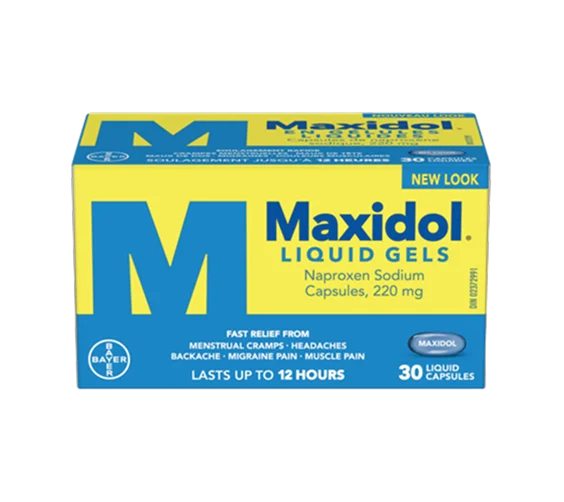
Menstrual Pain Relief Liquid Gels - 30 CT
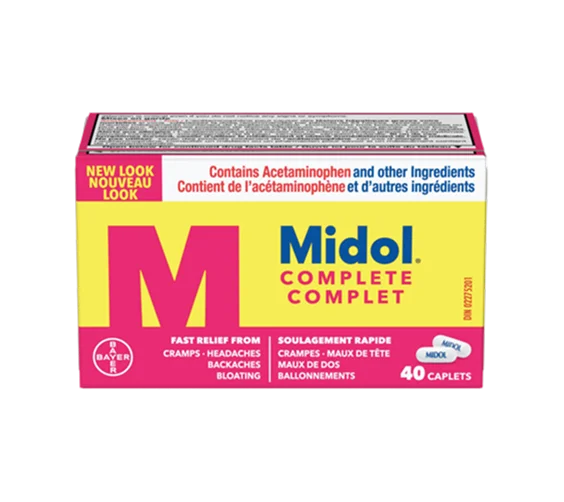
Complete Fast Multi-Symptom Period Pain Relief - 40 CT
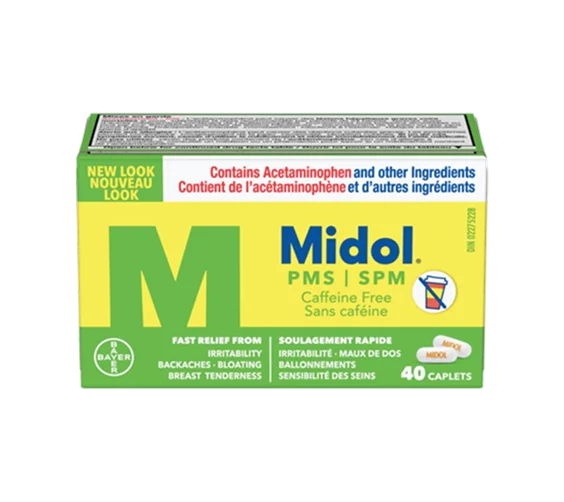
PMS Maximum Strength Menstrual Pain Relief - 40 CT
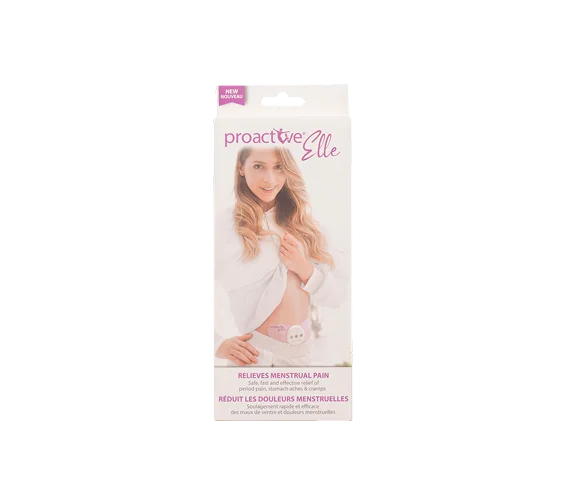
TENS Cordless Electronic Stimulator
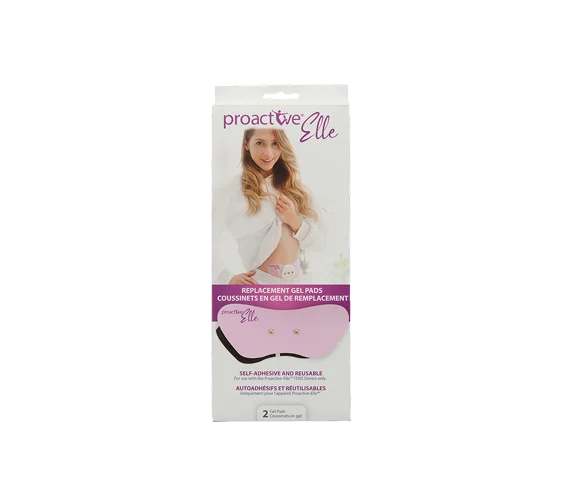
Tens Device Gel Pad
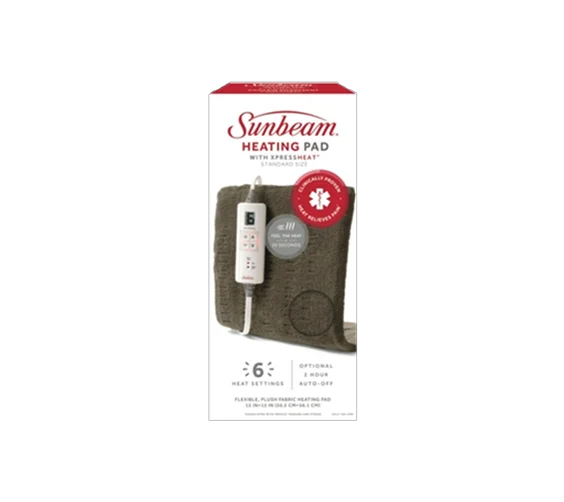
STD Xpressheat Heating Pad
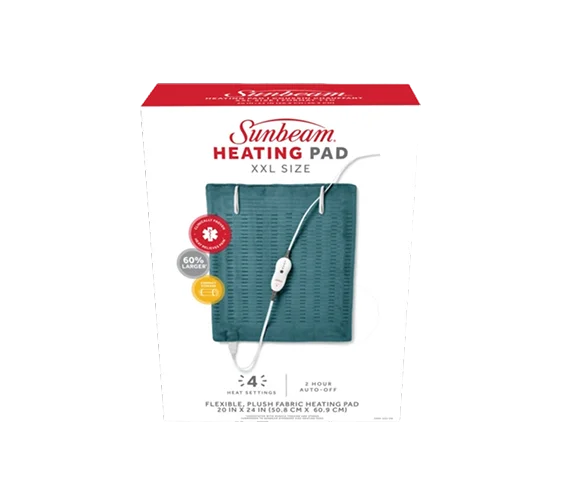
Heating Pad for Fast Pain Relief - XXL
Relaxing in a warm bath can help alleviate the pain.
Walking, stretching, or yoga may improve blood flow and reduce pain.
Take it easy and get plenty of rest during your period.
Apply a heating pad or hot water bottle to your abdomen or lower back.
Put a pillow under your knees to relieve back pressure.
Increase your fibre intake and try to incorporate anti-inflammatory foods (fruits, vegetables, fish).

A urinary tract infection occurs when bacteria infect any part of the urinary system, including the bladder, kidneys, or urethra.
Learn More
Vaginitis is the inflammation of the vaginal lining, causing discharge, odour, irritation, and itching. It can result from infections or imbalances and affects people of all ages.
Learn More
Morning sickness is a period of nausea and vomiting experienced by up to 85% of pregnant people, and despite the name, it can happen at any time of day.
Learn More
Muscle aches and pains are extremely common and can affect any part of the body. A Rexall Pharmacist can recommend effective pain relief options.
Learn MoreSeveral approaches can help ease period cramps. Over-the-counter anti-inflammatory medications such as ibuprofen or naproxen are among the most effective options because they reduce the prostaglandins that cause the uterus to contract. Applying a heating pad to the lower abdomen, staying hydrated, and doing gentle exercise like walking or yoga can also provide meaningful relief. A Rexall Pharmacist can recommend the right product or write prescription treatment, if appropriate following an assessment.
The most effective way to get rid of period cramps is to start an anti-inflammatory medication such as ibuprofen or naproxen at the first sign of pain — or even a day before your period begins if you can predict it. Heat therapy on the lower abdomen works well alongside medication and is sometimes as effective on its own for mild cramps. For more stubborn or recurring pain, a Rexall Pharmacist can assess your symptoms and recommend a more targeted treatment plan, including prescription treatment, if appropriate.
Tylenol (acetaminophen) can reduce the discomfort of period cramps, but it is generally less effective than anti-inflammatory medications like ibuprofen or naproxen. Anti-inflammatories work by blocking prostaglandins, which are the chemicals responsible for uterine contractions and pain, while acetaminophen acts on pain signals without targeting that underlying cause. If ibuprofen is not suitable for you due to stomach sensitivities or other health conditions, Tylenol is still a reasonable option. A Rexall Pharmacist can help you choose the best pain reliever for your needs.
For fast relief, take an anti-inflammatory such as ibuprofen or naproxen as soon as pain starts — these work best when taken early, before cramping becomes severe. At the same time, applying a heating pad or hot water bottle to your lower abdomen can provide rapid comfort, with some research finding heat as effective as medication for mild-to-moderate cramps. Resting in a comfortable position with a pillow under your knees can also take pressure off your lower back. A Rexall Pharmacist can advise on the right dose or write prescription treatment, if appropriate following an assessment.
Non-steroidal anti-inflammatory drugs (NSAIDs) such as ibuprofen and naproxen are considered the most effective over-the-counter pain relief for period cramps. They work by reducing prostaglandin levels, which directly addresses the cause of cramping rather than just masking pain. For best results, they should be taken with food at the start of your period or when symptoms first appear. A Rexall Pharmacist can recommend the right NSAID and dosing schedule, or discuss prescription options if over-the-counter medications are not providing enough relief.
You should seek medical advice if your period pain is severe enough to interfere with daily activities, school, or work, or if it is not relieved by over-the-counter anti-inflammatories. It’s also important to follow up if your pain is getting worse over time, lasts beyond the first two days of your period, or is accompanied by very heavy bleeding, pain during sex, or cramping between periods — these can be signs of conditions such as endometriosis or fibroids. A Rexall Pharmacist can assess your symptoms and write prescription treatment, if appropriate, or refer you to a physician when needed.
Yes. In many Canadian provinces, Rexall Pharmacists are authorized to assess and prescribe for painful menstruation as a minor ailment. They can recommend or prescribe anti-inflammatory medications at appropriate doses, suggest non-medication strategies such as heat therapy and lifestyle adjustments, and refer you to a physician if an underlying condition is suspected. Book Consultation (opens in new tab) with a Rexall Pharmacist to get started.