


Take a Bath
Bathe in cool or tepid water with a gentle soap.

Eczema, also known as dermatitis, refers to a group of skin conditions that cause skin inflammation. Eczema is not caused by an infection. The condition may be temporary or chronic, mild or, in rare instances, very serious.
While genetic inheritance plays a major role in most forms of eczema, it can also be caused by an inherited oversensitivity of the immune system, harsh irritants or allergens, seasonal changes (dry skin in winter), or poor circulation in the lower extremities.

Your pharmacist can assess your symptoms, write and fill prescription treatment or recommend OTC products.
Atopic dermatitis — a prevalent form of chronic eczema, atopic dermatitis is a genetically inherited condition that runs in families who also suffer from hay fever and asthma.
Contact dermatitis — a skin reaction caused by exposure to an allergen or irritant.
Nummular dermatitis — a type of eczema that normally affects older adults. Round patches of scaly, inflamed skin appear anywhere, but most commonly on the legs. Winter is the peak period for this condition, triggered by dry skin.
Stasis dermatitis — also known as gravitational eczema, it affects the lower legs of older adults.
Dyshidrotic eczema — occurs on the palms of the hands, sides of the fingers, and the soles of the feet, and it is associated with itching and blisters.
Atopic dermatitis — red, itchy, dry skin, first appearing in childhood. It most often affects the area behind the knees, around the elbows, and on the face. In infants, it appears on the chest, face, scalp, and neck.
Contact dermatitis — dry and intensely itchy, red rash, or swelling. Depending on the trigger, it may also form painful blisters that ooze before crusting over. Severe latex reactions can be associated with anaphylaxis.
Nummular eczema — itchy, red, coin-shaped areas with discharge on the limbs and torso.
Stasis dermatitis — inflamed, scaly skin around the lower legs and ankles that may turn dark brown over time.
Dyshidrotic eczema — blisters on the palms of the hands, sides of the fingers, and soles of the feet. Skin feels itchy or burning, and can crack or peel.
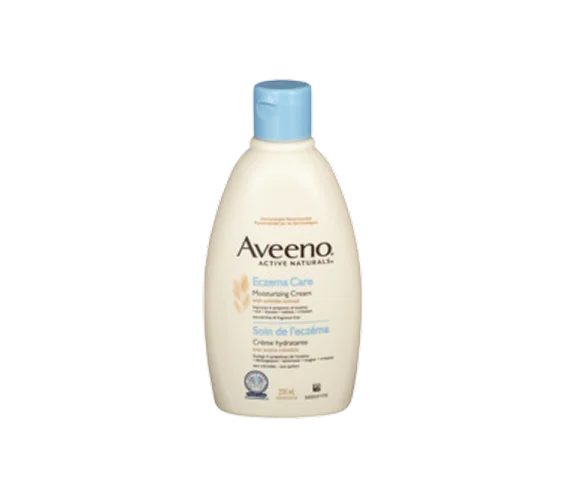
Eczema Care Daily Moisturizing Cream - 330 ML
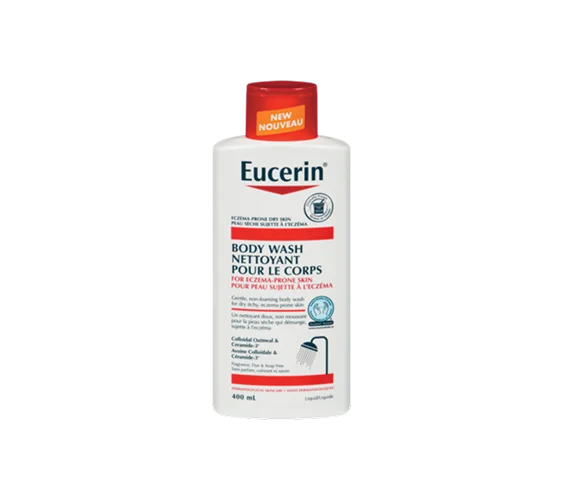
Body Wash for Eczema-Prone Skin - 400 ML
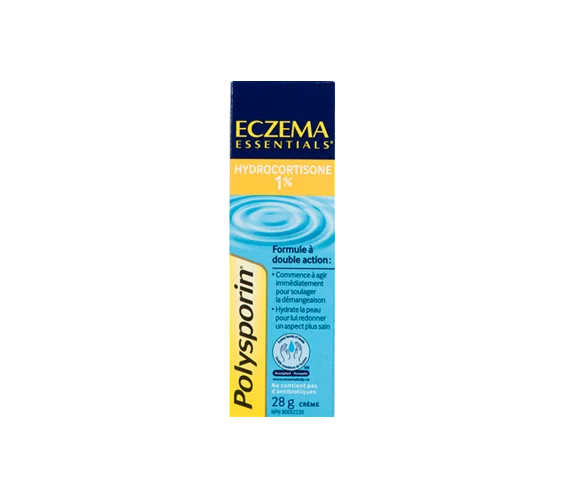
Anti-Itch Eczema Cream - 28 GR
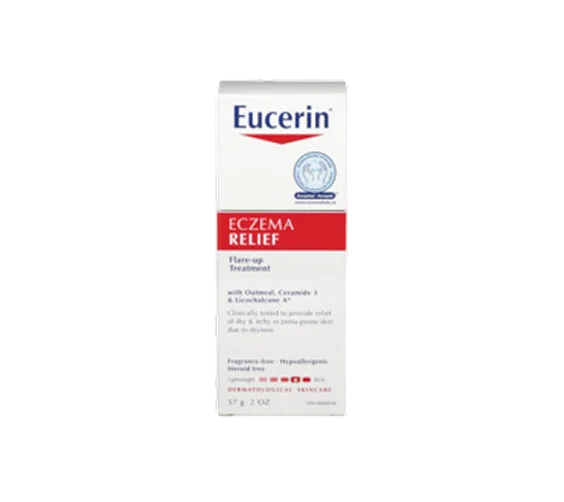
Eczema Relief Flare-Up Treatment - 57 GR
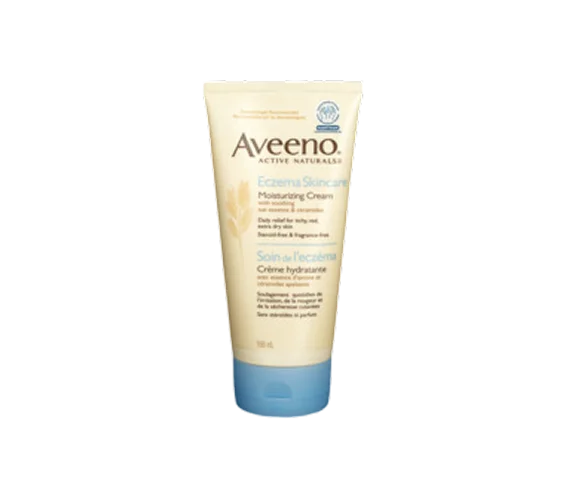
Eczema Care Daily Moisturizing Cream - 166 ML
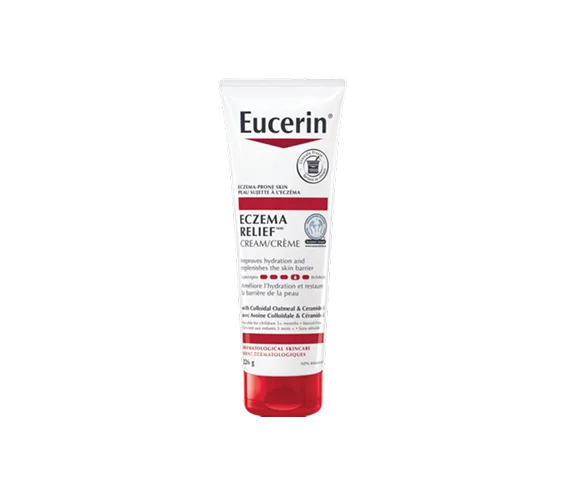
Eczema Relief Body Cream - 226 GR
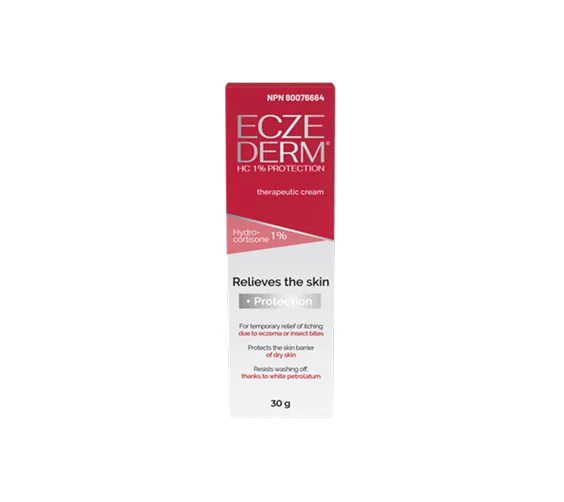
Cream Protection - 30 GR
Bathe in cool or tepid water with a gentle soap.
After a bath, moisturize immediately to keep skin hydrated.
To prevent worsening your skin inflammation, use a scent-free moisturizer.
Use gloves if necessary to avoid scratching the affected areas.
Keep your fingernails short to help prevent scratching.
Shower after exercise to remove sweat from your skin.

The viruses that cause cold sores lie dormant until triggered by factors such as stress. Cold sores can be painful and cause unsightly sores on your lips and around your nose.
Learn More
Pink Eye, also known as conjunctivitis, is a common eye condition that causes irritation, swelling, and inflammation of the membrane that covers the white of the eye.
Learn More
Muscle aches and pains are extremely common and can affect any part of the body. A Rexall Pharmacist can recommend effective pain relief options.
Learn More
A urinary tract infection occurs when bacteria infect any part of the urinary system, including the bladder, kidneys, or urethra.
Learn MoreRingworm appears as a circular, ring-shaped rash with a raised, scaly red or pink border and a clearer patch of skin in the middle. Despite the name, ringworm is a fungal infection — not a worm. It is usually itchy and can appear anywhere on the body, including the feet (athlete’s foot), groin (jock itch), or scalp. On darker skin, the ring may look brown or grey rather than red. A Rexall Pharmacist can assess a rash and recommend the right antifungal treatment.
Eczema is caused by a combination of genetics and an overactive immune response, not by an infection. People with eczema often have a weakened skin barrier that lets moisture out and irritants in. It tends to run in families alongside asthma and hay fever. Common triggers include dry weather, soaps and detergents, fragrances, wool, stress, sweating, and allergens like pollen and pet dander. A Rexall Pharmacist can help you identify your triggers and build a daily care plan.
No. Eczema is not caused by an infection and cannot be spread from person to person. It is a non-contagious inflammatory skin condition linked to genetics and immune system dysregulation. However, an eczema patch can sometimes become infected with bacteria or, rarely, with the herpes simplex virus — those infections can spread and require prompt medical care.
Eczema looks like dry, itchy, inflamed patches of skin — often red or brownish-grey — that can flake, thicken, or weep during a flare. It most commonly appears on the inside of the elbows, behind the knees, and on the hands, face, neck, or scalp. On darker skin, patches may appear darker, lighter, or grey rather than red. It can be confused with contact dermatitis, which has sharper borders, and with ringworm, which forms a clear-centred ring. A Rexall Pharmacist can assess your skin rash and write prescription treatment for eczema and contact dermatitis, if appropriate.
Eczema cannot be cured permanently — it is a chronic condition. However, most people can achieve long stretches of clear, comfortable skin with consistent management. The foundation is a daily fragrance-free moisturizer, identifying and avoiding personal triggers, and using a topical corticosteroid during flares. Moderate-to-severe cases may need prescription options through a dermatologist. A Rexall Pharmacist can help you build a maintenance routine and prescribe a stronger cream when appropriate.
Contact dermatitis is a red, itchy rash caused by skin contact with an irritant or allergen. Irritants include soaps, detergents, and solvents. Allergens include nickel in jewellery, fragrances, latex, and plants like poison ivy. Unlike atopic eczema, the rash usually has sharp borders that match the area where the substance touched the skin. Most cases improve once the trigger is identified and removed. A Rexall Pharmacist can assess your skin rash and recommend OTC products or write prescription treatment, if appropriate.
Treatment involves moisturizing daily with a fragrance-free product, taking short lukewarm baths, and avoiding known triggers. During a flare, a topical corticosteroid reduces redness and itching — either over-the-counter hydrocortisone 1% or a stronger cream a Rexall Pharmacist can prescribe. Antihistamines may ease itching that disrupts sleep. Persistent moderate-to-severe eczema may need a dermatology referral. Book Consultation with a Rexall Pharmacist (opens in new tab) to get started.
Apply an antifungal cream — such as clotrimazole, terbinafine, or miconazole — twice daily for two to four weeks. Keep using it for about a week after the rash clears; stopping early is the most common reason ringworm returns. Keep the area clean and dry, and avoid sharing towels, clothing, or bedding. Do not apply a steroid cream, as steroids can worsen ringworm. If it covers a large area, affects the scalp, or does not improve after two weeks, a Rexall Pharmacist can recommend or prescribe an oral antifungal.
Eczema is not strictly autoimmune, but it is closely related. In true autoimmune conditions, the immune system attacks healthy tissue. Eczema is instead an immune-mediated inflammatory condition where the skin barrier and immune response are dysregulated and overreact to triggers. It shares features with autoimmune disease — it is chronic, inflammatory, and tends to run in families that also have allergies and asthma — which is why it is sometimes loosely described that way.
Identify and remove the trigger first — review any new soaps, jewellery, gloves, plants, or skincare products you have used recently. Apply over-the-counter hydrocortisone 1% cream twice daily to ease inflammation and itching. Cool compresses and an oral antihistamine can also help. Most cases clear within two to four weeks once the trigger is gone. For a severe or widespread rash, a Rexall Pharmacist can recommend or prescribe a stronger corticosteroid cream. Book Consultation (opens in new tab) if you are unsure what caused the rash.
Yes. A Rexall Pharmacist can assess many minor skin conditions, including eczema flares, contact dermatitis, ringworm, athlete’s foot, and jock itch. They can recommend or prescribe topical corticosteroids, antifungal creams, and moisturizers suited to your skin and other medications. They will also refer you to a doctor or dermatologist when needed — such as for a severe or spreading infection or a rash with no clear cause. Rashes and skin conditions are among the many conditions a Rexall Pharmacist can treat.