


Don’t Share
To prevent the spread of bacteria, don’t share any personal items like towels or clothes with someone who has pink eye.

Pink Eye, also known as conjunctivitis, is a common eye condition that causes irritation, swelling, and inflammation of the membrane that covers the white of the eye and the inside of the eyelids.
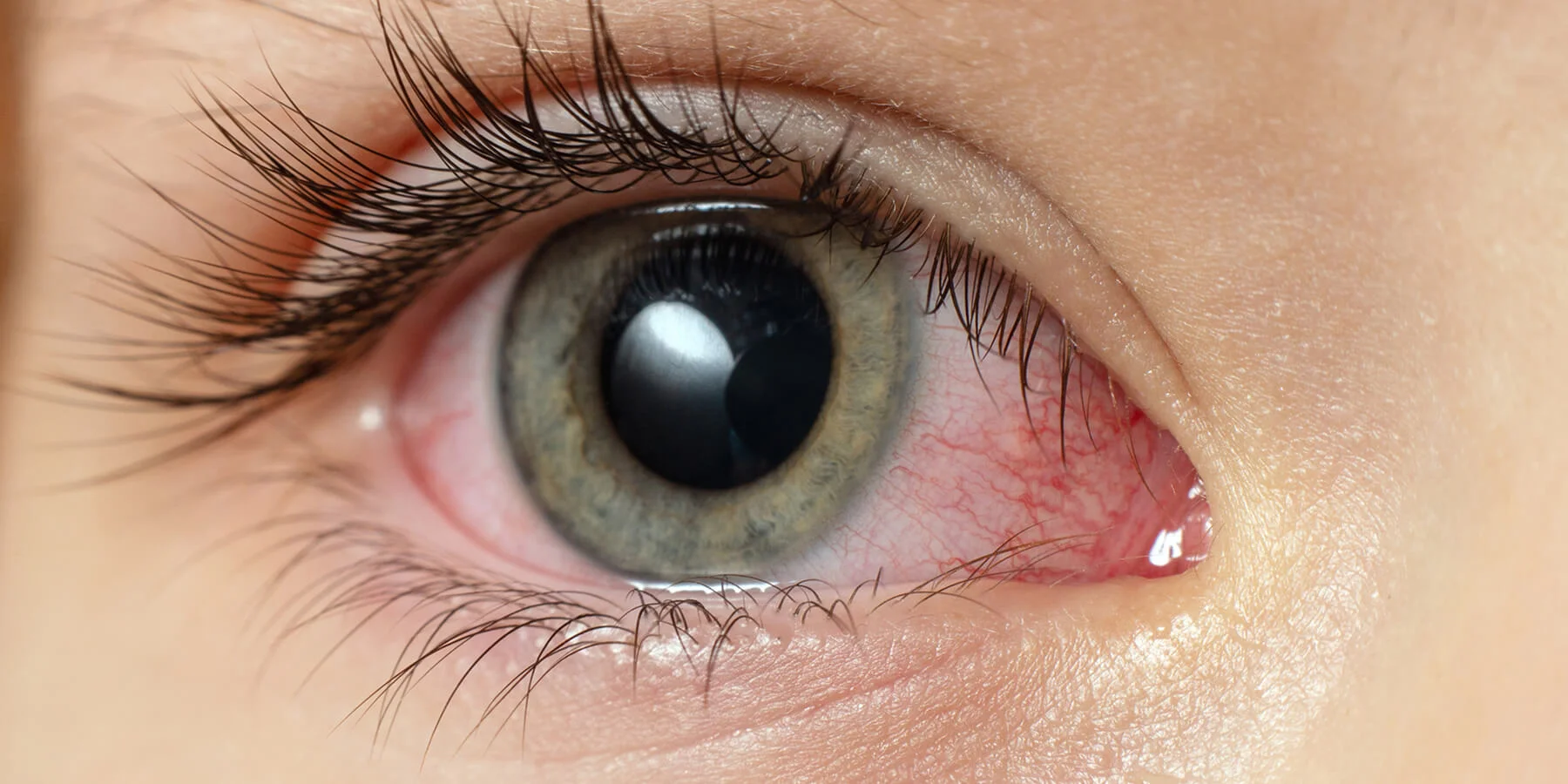
Your pharmacist can assess your symptoms, write and fill prescription treatment or recommend OTC products.
Pink eye can be caused by a virus, bacterial infection, allergies, ultraviolet light, and chemical or environmental irritants.
Viral conjunctivitis — Often accompanied by a common cold, these viruses are highly contagious, and anyone can transfer the virus to their eye by blowing their nose with their eyes open or rubbing their eyes.
Bacterial conjunctivitis — Caused by various types of bacteria, it's contagious and usually requires a short course of antibiotic eye drops or ointment.
Allergic conjunctivitis — Not contagious and usually occurs in the spring, summer, and early fall, triggered by exposure to plant pollen and grasses. People allergic to animals or dust mites may be affected year-round.
Chemical or irritative conjunctivitis — Also not contagious, it's caused by exposure to irritants, including:
Conjunctivitis may also occur in people with certain medical conditions, including thyroid disease, gout, certain types of cancer, certain skin conditions such as rosacea or psoriasis, tuberculosis, and syphilis.
Consult your pharmacist if: self-treatment for more than 2 to 3 days does not clear the irritation; the irritation worsens or has been present for more than 2 days; the condition recurs; or you have an underlying condition, such as diabetes. Seek medical attention if there is pain, altered vision, severe redness, or unusual sensitivity to light.
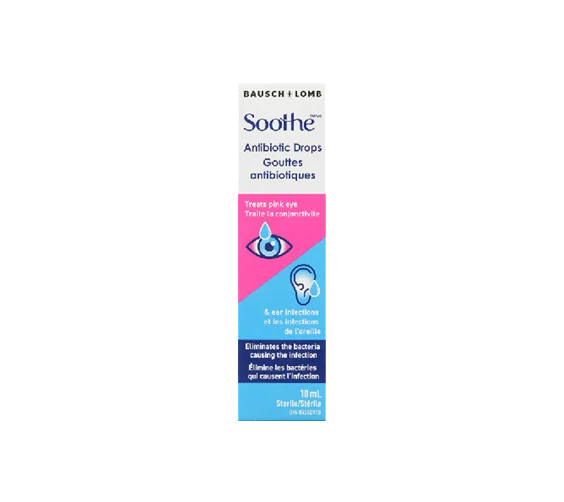
Soothe Antibiotic Drops - 10 ML
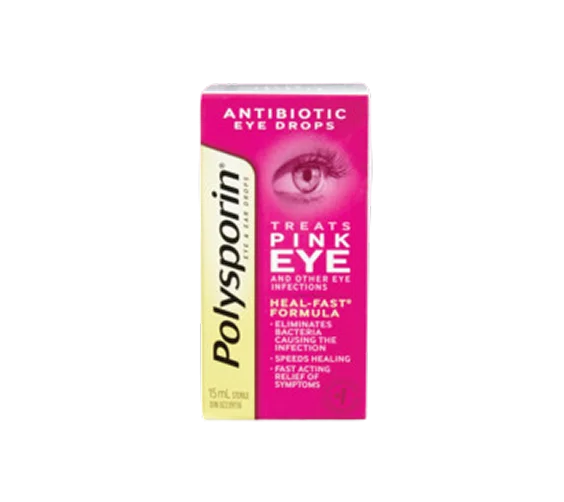
Pink Eye Drops - 15 ML
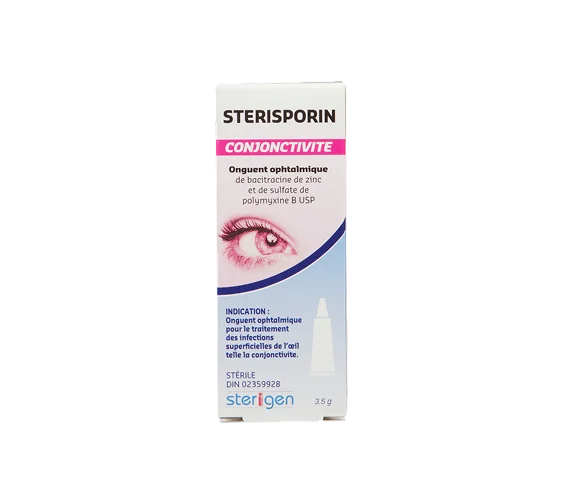
Antibiotic Ointment - 3.5 GR
To prevent the spread of bacteria, don’t share any personal items like towels or clothes with someone who has pink eye.
Don’t touch or rub your eyes, especially if one is infected and the other isn’t.
Wash any discharge from your eye, using a damp tissue to gently wipe in a single stroke.
For those who wear eye makeup, throw away all used items to avoid reinfection.
Keep the infected person’s laundry separate. Wash in hot water and dry on high.
Teach children how to blow their nose carefully and to cover their mouth when coughing or sneezing.

A Rexall Pharmacist can help you manage a skin rash such as eczema and contact dermatitis (from poison ivy or other sources).
Learn More
Impetigo is a contagious skin infection caused by bacteria, most commonly affecting children between 2 and 5, but anyone can get it.
Learn More
The viruses that cause cold sores lie dormant until triggered by factors such as stress. Cold sores can be painful and cause unsightly sores on your lips and around your nose.
Learn More
A urinary tract infection occurs when bacteria infect any part of the urinary system, including the bladder, kidneys, or urethra.
Learn MoreViral and bacterial pink eye are both highly contagious and can spread through direct contact with eye secretions, contaminated hands, or shared personal items. Bacterial pink eye usually stops being contagious 24 to 48 hours after starting antibiotic eye drops. Allergic and chemical conjunctivitis are not contagious. Frequent handwashing and avoiding touching your eyes are the most effective ways to prevent spreading the infection.
The duration of pink eye depends on its cause. Viral conjunctivitis typically resolves on its own within one to two weeks. Bacterial pink eye usually clears up within a week with antibiotic eye drops or ointment. Allergic conjunctivitis persists for as long as you’re exposed to the allergen. A Rexall Pharmacist can help identify the type and recommend appropriate treatment to speed your recovery, including prescription treatment, if appropriate.
Pink eye causes the white of the eye to appear red or pink due to inflammation of the conjunctiva. You may also notice swelling of the eyelids, discharge that can be watery, white, yellow, or green, and crusting along the lash line — especially after sleep. Bacterial conjunctivitis often produces thicker, more coloured discharge, while viral pink eye tends to cause a watery, clear secretion.
Pink eye can be acquired in several ways depending on its type. Viral and bacterial conjunctivitis spread through contact with an infected person’s eye secretions, unwashed hands, or contaminated surfaces like towels and pillowcases. Allergic conjunctivitis is triggered by exposure to allergens such as pollen, pet dander, or dust mites. Chemical conjunctivitis results from contact with irritants such as chlorine, smoke, or certain cosmetics.
Pink eye is most commonly caused by viruses (such as adenovirus or the virus responsible for the common cold) or bacteria (such as Staphylococcus aureus or Streptococcus pneumoniae). It can also be caused by allergens like pollen or animal dander, or by chemical irritants including smoke, chlorine, or certain eye drops. In newborns, conjunctivitis may result from a blocked tear duct or exposure to bacteria during delivery.
Several eye conditions can mimic the redness and irritation of pink eye. These include dry eye syndrome, blepharitis (inflammation of the eyelids), iritis (inflammation inside the eye), and seasonal allergies. A stye — a painful lump near the eyelid margin — can also cause redness that is confused with conjunctivitis. A Rexall Pharmacist can help assess your symptoms and recommend OTC products or write prescription treatment, if appropriate.
Treatment depends on the underlying cause. Bacterial conjunctivitis is treated with antibiotic eye drops or ointment prescribed by a pharmacist or doctor. Viral pink eye usually clears on its own — cool compresses and lubricating eye drops can ease discomfort in the meantime. Allergic conjunctivitis responds to antihistamine or anti-inflammatory eye drops. During the infection, you should stop wearing contact lenses and avoid using eye makeup, as both can worsen irritation and prolong recovery. Discard any eye makeup used before or during the infection to prevent reinfection. A Rexall Pharmacist can assess your pink eye and write prescription treatment, if appropriate.
The contagious period varies by type. Bacterial pink eye is typically contagious until 24 to 48 hours after antibiotic treatment has begun, or until symptoms resolve without treatment. Viral conjunctivitis can remain contagious for up to two weeks from the onset of symptoms. Practising careful hand hygiene and avoiding shared items helps limit the spread during this period.
It depends on the cause. Viral pink eye usually resolves without treatment within one to two weeks, though cool compresses and lubricating drops can ease symptoms. Bacterial conjunctivitis may clear on its own in mild cases, but antibiotic eye drops speed recovery and reduce the risk of spreading the infection. Allergic conjunctivitis will persist until the allergen is removed or managed. If symptoms are severe or not improving, it’s best to consult a Rexall Pharmacist.
Yes. In most Canadian provinces, Rexall Pharmacists are authorized to assess and prescribe treatment for minor ailments, including bacterial conjunctivitis. Your pharmacist can evaluate your symptoms, prescribe antibiotic eye drops when appropriate, recommend over-the-counter products for symptom relief, and refer you to a physician if your condition requires further care. Book Consultation (opens in new tab) at your nearest Rexall today.