


Pat Dry
After showering, pat yourself dry to avoid rubbing vigorously with a towel.

Vaginitis is the inflammation of the vaginal lining, causing discharge, odour, irritation, and itching. It can result from infections or imbalances and affects people of all ages.

Your pharmacist can assess your symptoms, write and fill prescription treatment or recommend OTC products.
There are many different causes of vaginitis:
Irritant or allergic vaginitis — vaginal inflammation from chemical irritants, including spermicides, douches, detergents, fabric softeners, sanitary napkins, and latex condoms.
Infectious vaginitis — an infection with bacteria or yeast.
Atrophic vaginitis — occurs after menopause from lower hormone (estrogen) levels and the thinning of the vaginal lining.
Trichomoniasis — a sexually transmitted infection caused by the parasite trichomonas vaginalis.
Bacterial vaginosis — an imbalance between normally occurring bacteria and potentially infectious ones caused by smoking, using intrauterine devices, douching, or having multiple sexual partners, although it’s not considered a sexually transmitted infection.
Yeast infection — also known as vaginal candidiasis, occurs during an overgrowth of yeast caused by antibiotics, high levels of estrogen, uncontrolled diabetes, or a weakened immune system. Can be sexually transmitted but it’s not considered a sexually transmitted infection.
Yeast infections — vaginal itching and painful urination, sore, swollen labia (vaginal lips), thick, whitish discharge that looks like cottage cheese. Taking certain birth control pills increases your chances of getting yeast infections. Hot weather, poor hygiene, and tight clothing are also risk factors, as they create the ideal environment for candida. Can be sexually transmitted, but is not considered a sexually transmitted infection.
Bacterial vaginosis — itching and burning during urination or after sexual intercourse, whitish discharge with an unpleasant or “fishy” odour.
Irritant or allergic vaginitis — mild-to-severe itching or burning, swollen, red vagina, no discharge.
Infectious vaginitis — discharge, odour, irritation, and itching.
Atrophic vaginitis — dry, sore vaginas, which may be red and irritated, painful sexual intercourse, burning sensation, occasional spotting (light bleeding) and watery discharge.
Trichomoniasis — vaginal soreness and abdominal discomfort, heavy yellow-green or grey discharge, unpleasant odour, painful urination and pain after sexual intercourse.
Not everyone experiences the same symptoms or any at all. If you are unsure what type of vaginitis you’re experiencing, speak to your Rexall Pharmacist.
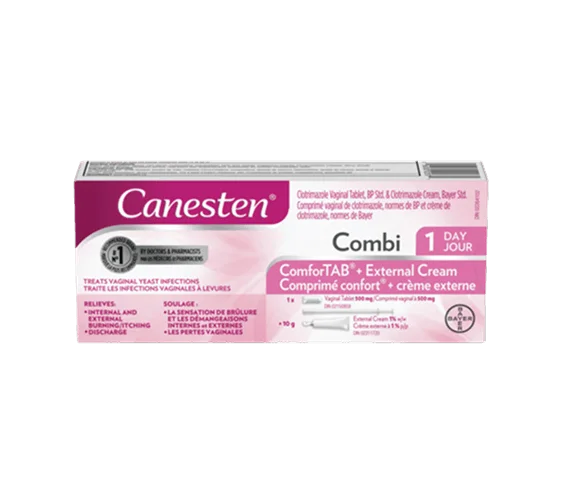
1 Day ComforTAB
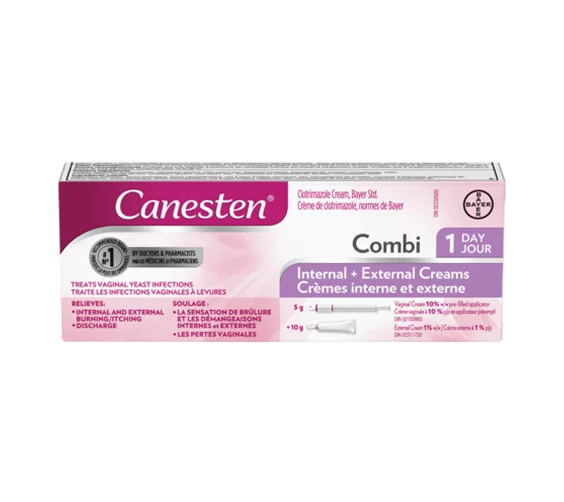
1 Day Cream Combo Pack
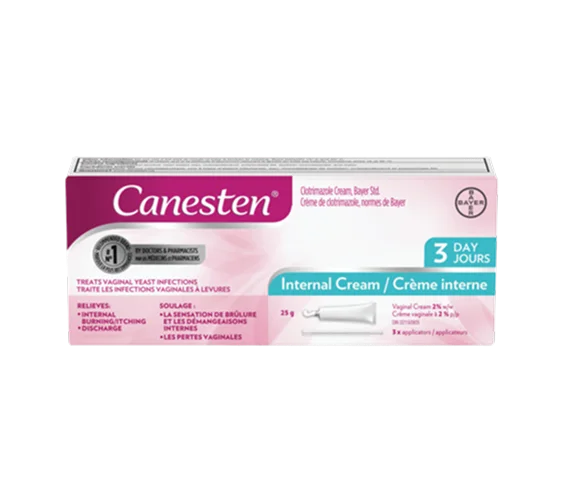
3 Day Vaginal Cream - 25 GR
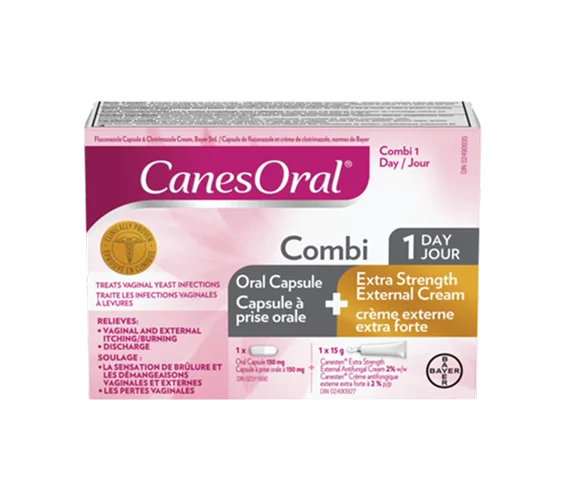
Combination Pill & Cream
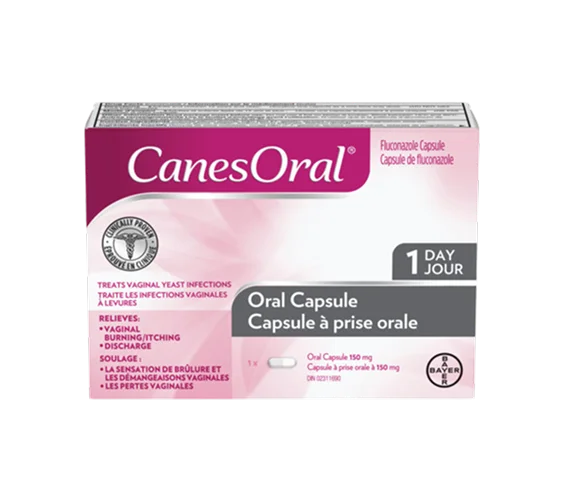
Single Capsule
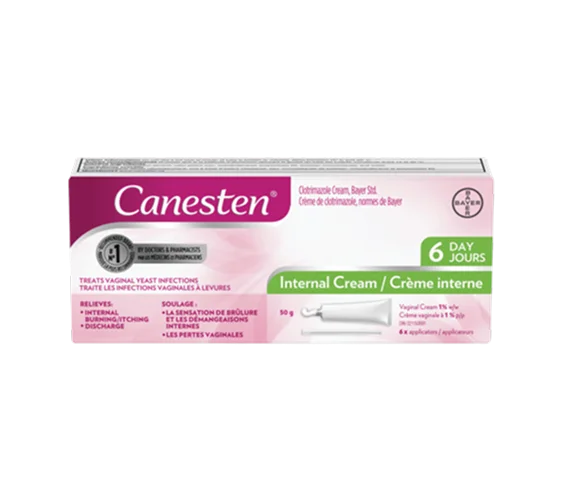
Vaginal Cream 6 Day Therapy - 50 GR
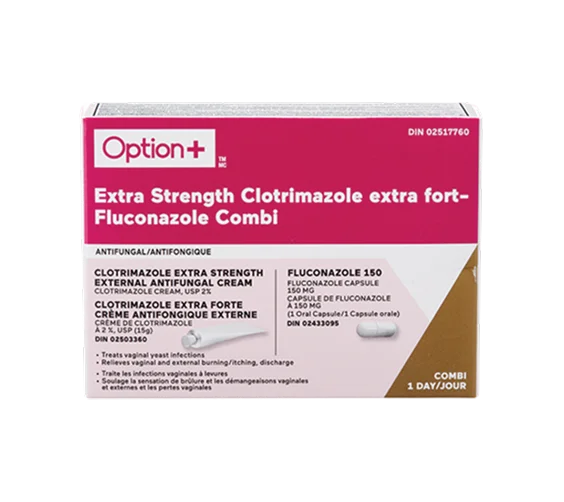
2% Extra Strength Clotrimazole-Fluconazole Combi Pack
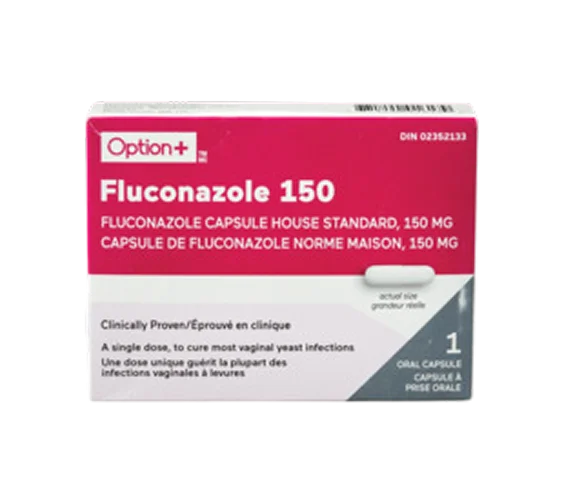
Fluconazole Oral Capsule
After showering, pat yourself dry to avoid rubbing vigorously with a towel.
Don't wear wet bathing suits or damp exercise clothes for long periods of time.
Cotton underwear can help provide airflow.
Avoid unnecessary chemicals in douches, sprays, and deodorized pads or tampons.
Try alternative contraceptives if lubricated condoms or sponges cause irritation.
Pantyhose, tight pants, or leggings can trap moisture.

A urinary tract infection occurs when bacteria infect any part of the urinary system, including the bladder, kidneys, or urethra.
Learn More
Menstrual cramps (or dysmenorrhea) can become severe enough to interfere with your enjoyment of life. There are medications and non-medicated strategies that can help.
Learn More
Morning sickness is a period of nausea and vomiting experienced by up to 85% of pregnant people, and despite the name, it can happen at any time of day.
Learn More
Heartburn and indigestion often occur together. Prolonged abdominal pain can cause long-term harm, but it can be prevented.
Learn MoreWhile it’s not always possible to fully clear a yeast infection within 24 hours, single-dose oral antifungal medications — such as fluconazole — can begin relieving symptoms quickly. Over-the-counter antifungal creams or suppositories (clotrimazole or miconazole) can also provide fast relief. A Rexall Pharmacist can help assess your symptoms and recommend OTC products or write prescription treatment, if appropriate.
A yeast infection can cause redness, swelling, and irritation of the vulva. A characteristic thick, white, cottage cheese–like vaginal discharge is common, though not always present. In some cases you may notice small cracks or sores on the skin around the vaginal opening.
Yeast infections are caused by an overgrowth of Candida — a fungus that normally lives in the vagina in small amounts. This overgrowth can be triggered by antibiotic use, high estrogen levels (from pregnancy or hormonal contraceptives), uncontrolled diabetes, a weakened immune system, or wearing tight, non-breathable clothing.
With appropriate antifungal treatment, most mild yeast infections clear up within a few days. More severe or recurrent infections may take up to two weeks to resolve and may require a longer course of treatment. Without treatment, symptoms are unlikely to improve on their own and may worsen over time. A Rexall Pharmacist can assess your symptoms and recommend OTC products or write prescription treatment, if appropriate.
Very mild yeast infections occasionally resolve without treatment, but this is not common. In most cases, antifungal medication is needed to eliminate the overgrowth and relieve symptoms. If you’re unsure whether your symptoms will improve, it’s best to speak with a Rexall Pharmacist to avoid prolonged discomfort or complications.
A yeast infection typically causes intense itching and burning around the vagina and vulva. You may also experience soreness, a stinging sensation during urination, or discomfort during intercourse. The vaginal area can feel swollen and tender, making everyday activities uncomfortable.
Common signs include vaginal or vulvar itching and burning, redness or swelling, and a thick, odourless white discharge resembling cottage cheese. Because other conditions — such as bacterial vaginosis or sexually transmitted infections — can cause similar symptoms, it’s important to get an accurate assessment from a healthcare professional such as a Rexall Pharmacist.
Yes — antibiotics kill harmful bacteria but can also disrupt the natural balance of beneficial bacteria in the vagina, allowing Candida to overgrow. This is one of the most common triggers of yeast infections in Canada. If you’re taking antibiotics and notice yeast infection symptoms, speak with your Rexall Pharmacist about preventive or treatment options.
It is generally recommended to avoid sexual intercourse while you have a yeast infection. Intercourse can worsen irritation, delay healing, and may introduce additional bacteria. In some cases, the infection can be transmitted to a partner. It’s best to complete your full course of treatment and allow symptoms to fully resolve before resuming sexual activity.
Your pharmacist can evaluate your symptoms, recommend OTC products or write prescription treatment, if appropriate, and advise you on prevention. Book Consultation (opens in new tab) with a Rexall Pharmacist today.