


Don’t Hold It
Don’t delay bowel movements as stool can harden, making it harder to pass.

Hemorrhoids are swollen tissues in the rectum and anus that contain veins, formed when supporting tissue weakens, leading to internal or external sac-like protrusions. Also called “piles,” they can cause minor bleeding or develop small blood clots. Anyone can get hemorrhoids at any age, although they’re most common between the ages of 45 and 65.
They differ depending on location and the amount of aggravation they cause. Internal hemorrhoids, located inside the rectum, aren’t usually painful and are graded on the level of protrusion out of the anus. External hemorrhoids develop under the skin at the opening of the anus, may itch and be extremely painful, especially during a bowel movement.

Your pharmacist can assess your symptoms, write and fill prescription treatment or recommend OTC products.
Hemorrhoids are caused by repeated or constant pressure on the rectal or anal veins. The most common cause of pressure is from straining or prolonged sitting during a bowel movement. Other factors include constipation, diarrhea, lifting heavy objects, poor posture, prolonged sitting or standing, pregnancy, and being overweight. Liver damage and some food allergies can also add stress to the rectal veins.
External hemorrhoids most often itch, burn, or bleed, and they can be painful and swollen. Internal hemorrhoids may cause a small, painless emission of very bright red blood in the stool or on the toilet paper after a bowel movement. The blood is on the surface of the stool only, not mixed in. In small amounts, it's not a serious issue.
Watch for pain that lasts longer than a week, blood loss along with weakness or dizziness, or if the hemorrhoid does not go back in place after a bowel movement. These are situations you should bring to your doctor's attention. Also, children under 12 should be referred to a doctor if experiencing symptoms of hemorrhoids.
Seek medical assistance if blood appears that's dark in colour, or the bleeding is recurrent, as these could indicate a more serious problem higher in the colon, unrelated to hemorrhoids.
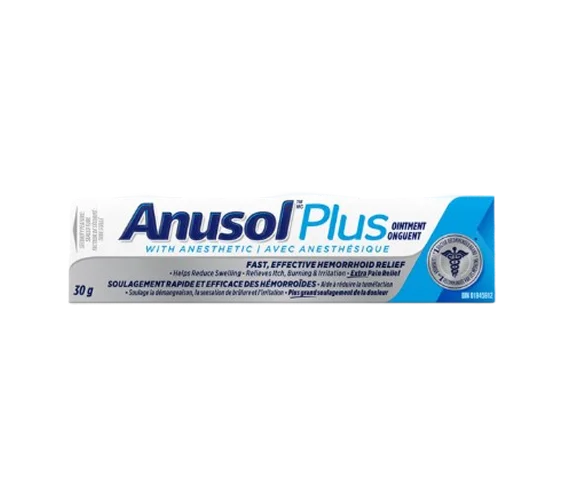
Ointment - 30 GR
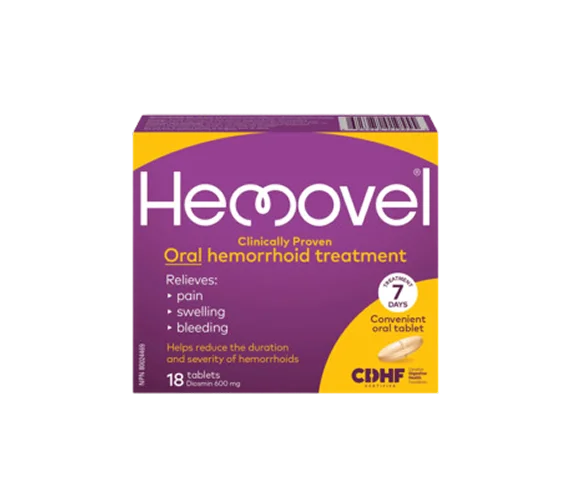
Oral Treatment Tablets 600MG 2X9
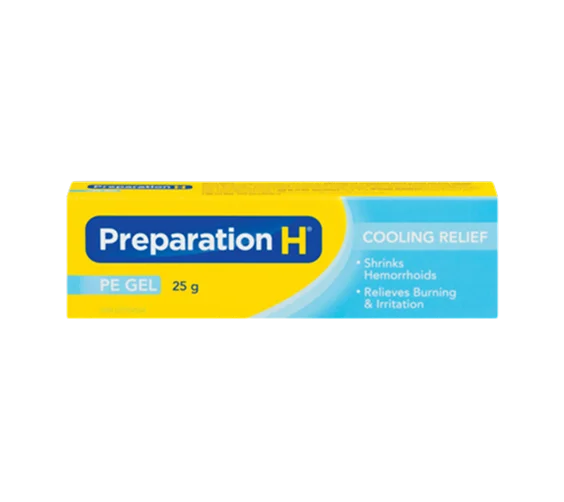
Cooling Gel - 25 GR
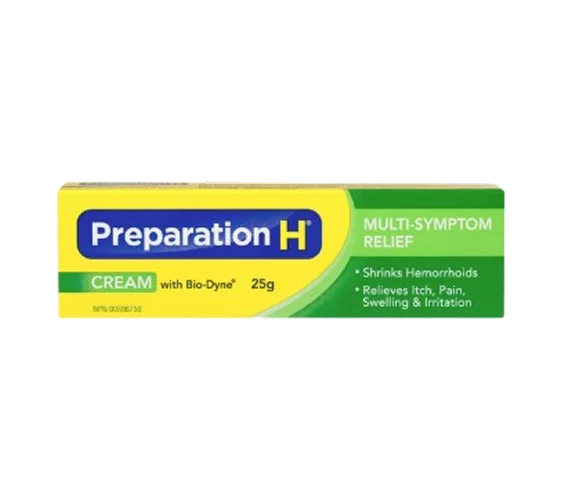
Cream - 25 GR
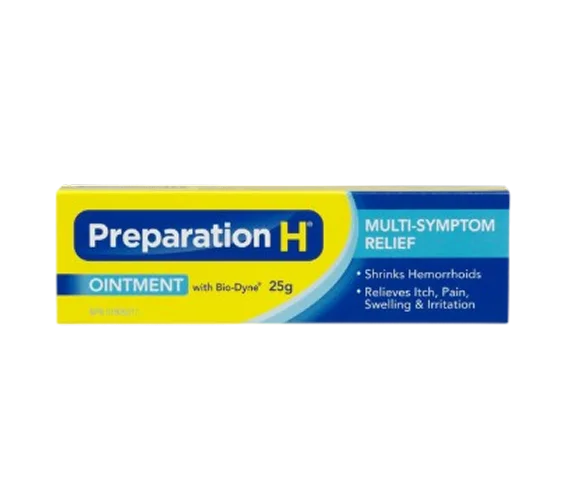
Ointment - 25 GR
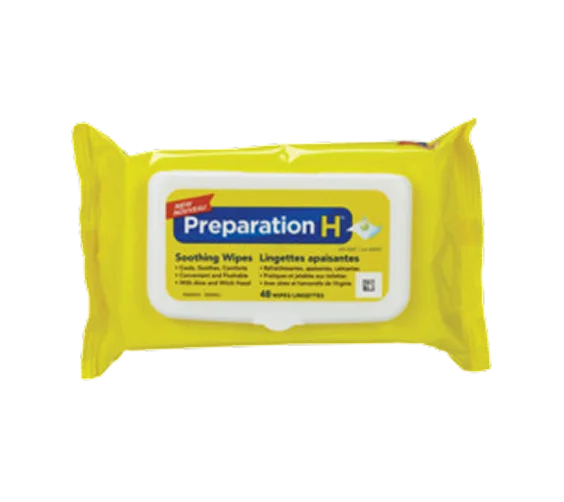
Soothing Wipes - 48 PK
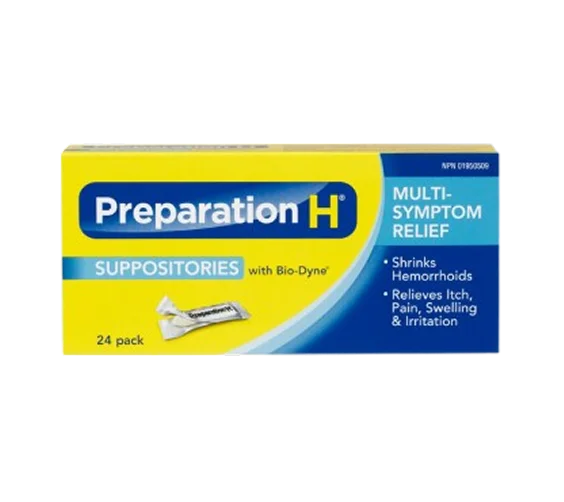
Suppositories - 24 CT
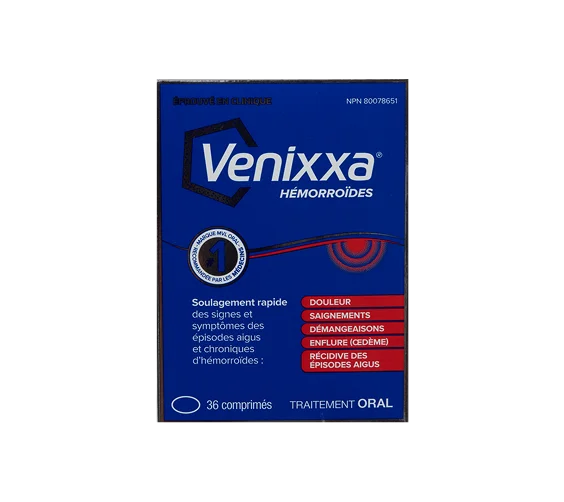
500 mg Hemorrhoids - 36 TB
Don’t delay bowel movements as stool can harden, making it harder to pass.
If you’re on the toilet, try not to strain or sit for too long (no more than 5 minutes).
Drink lots of water throughout the day, ideally between 6 and 8 glasses.
Eat whole-grain foods, fresh vegetables, and fruits that are high in fibre.
Get plenty of exercise and try not to sit for long periods of time.
Maintaining a healthy weight can help alleviate pressure and improve circulation.

Muscle aches and pains are extremely common and can affect any part of the body. A Rexall Pharmacist can recommend effective pain relief options.
Learn More
A urinary tract infection occurs when bacteria infect any part of the urinary system, including the bladder, kidneys, or urethra.
Learn More
Vaginitis is the inflammation of the vaginal lining, causing discharge, odour, irritation, and itching. It can result from infections or imbalances and affects people of all ages.
Learn More
The viruses that cause cold sores lie dormant until triggered by factors such as stress. Cold sores can be painful and cause unsightly sores on your lips and around your nose.
Learn MoreHemorrhoids are swollen, inflamed veins in the lower rectum and anus — much like varicose veins, but located in that area. They come in two types: internal hemorrhoids form inside the rectum and are usually painless, while external hemorrhoids develop under the skin around the anal opening and can be itchy and quite painful. Also called “piles,” they are among the most common digestive complaints in Canada, particularly affecting people between the ages of 45 and 65.
Hemorrhoids develop when repeated pressure is placed on the veins of the lower rectum and anus, causing them to swell. Common triggers include straining during bowel movements, chronic constipation or diarrhea, sitting on the toilet for extended periods — including while scrolling your phone — lifting heavy objects, pregnancy, and carrying excess body weight. Liver disease and certain dietary patterns can also increase the pressure on rectal veins over time.
Most mild hemorrhoids improve on their own within a few days to a couple of weeks with consistent home care: increasing dietary fibre and fluid intake, avoiding prolonged sitting, and applying over-the-counter creams or witch hazel pads to ease discomfort. If your symptoms persist beyond a week or two, are getting worse, or involve recurrent bleeding, it’s a good idea to seek professional guidance. Book Consultation with a Rexall Pharmacist to get personalized advice and, if needed, a prescription treatment.
External hemorrhoids appear as soft, bluish or skin-coloured lumps around the edge of the anus, and may become darker or more swollen if a blood clot forms inside (a thrombosed hemorrhoid). Internal hemorrhoids are not visible from the outside, but may prolapse — protruding from the anal opening during or after a bowel movement — appearing as moist, pink tissue. Bright red blood on toilet paper or on the surface of the stool is another common sign.
Small hemorrhoids often clear up on their own within a few days, especially with supportive care such as a high-fibre diet, adequate hydration, and sitz baths. Larger or thrombosed hemorrhoids can take two to four weeks to resolve and may be significantly more painful in the interim. Hemorrhoids that recur frequently or do not improve with home treatment may require assessment by a pharmacist or physician.
External hemorrhoids can cause a persistent itch, burning sensation, or sharp pain around the anus, particularly during or after a bowel movement. Internal hemorrhoids are usually painless, but you may notice bright red blood in the toilet or on toilet paper, or a feeling of fullness or incomplete evacuation. If an internal hemorrhoid prolapses or a blood clot forms in an external hemorrhoid, the pain can become intense and sudden.
To reduce swelling quickly, try sitting in a warm sitz bath for 10–15 minutes several times a day, applying a cold compress briefly to the area, and using an over-the-counter hemorrhoid cream containing hydrocortisone or witch hazel. Staying well hydrated and eating plenty of fibre helps keep stools soft so there is less straining, which gives inflamed tissue a chance to settle. Avoid prolonged sitting — including on the toilet — and do not strain during bowel movements.
Yes — thrombosed external hemorrhoids (those containing a blood clot) can rupture, which typically causes a sudden release of blood and, for many people, immediate relief from the intense pressure and pain. While the bleeding is usually self-limiting and the area will heal on its own, a burst hemorrhoid carries a small risk of infection. Keep the area clean and dry, and see a pharmacist or doctor if bleeding is heavy, prolonged, or accompanied by signs of infection such as fever or increasing warmth and redness.
For most people, hemorrhoids are uncomfortable but not dangerous, and they respond well to conservative treatment. However, persistent or heavy rectal bleeding can occasionally lead to iron-deficiency anemia, and rectal bleeding is sometimes a sign of a more serious condition such as colorectal cancer — so it should not be dismissed without assessment. See a doctor promptly if bleeding is dark or mixed through the stool, is accompanied by a change in bowel habits, or does not improve within a week or two.
Yes — in most Canadian provinces, a Rexall Pharmacist is authorized to assess hemorrhoid symptoms, recommend appropriate over-the-counter products, and prescribe certain medications to relieve pain, itching, and swelling. They can also advise on lifestyle changes to prevent recurrence and refer you to a physician if your symptoms require further investigation. Book Consultation at your nearest Rexall to get expert care without the wait.