


Cover Up
Wear long pants, socks, a long-sleeve shirt, and a hat when outdoors to reduce the risk of tick bites.

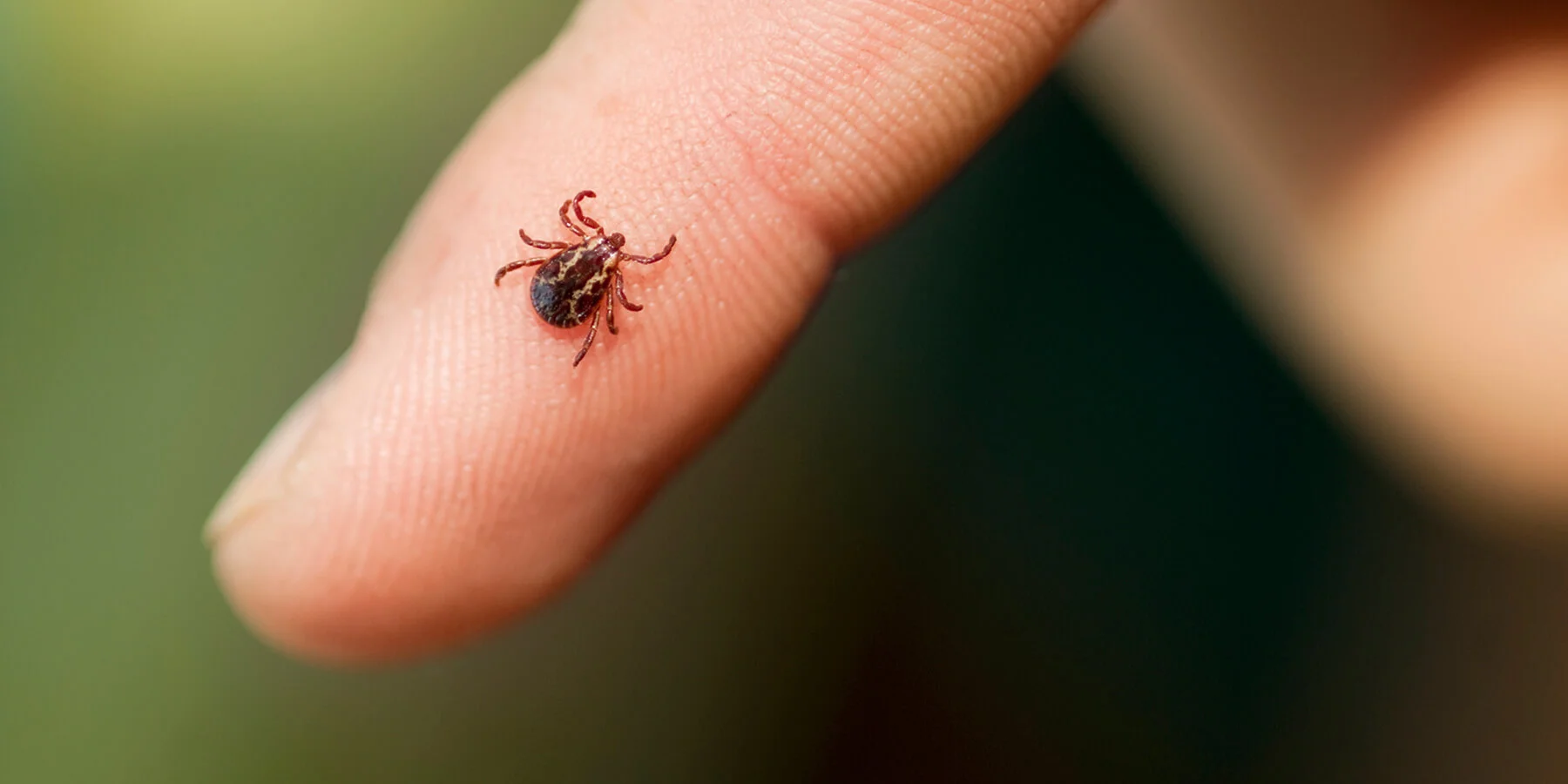
Ticks are small, blood-sucking parasites found in wooded or tall grassy areas across Canada. Lyme disease is a bacterial infection transmitted through a bite from an infected blacklegged tick.
Your pharmacist can assess your symptoms, write and fill prescription treatment or recommend OTC products.
When an infected tick attaches itself to a human, it takes about 24 hours to transmit the bacteria. So the sooner you remove the tick, the better. If untreated, it can lead to severe arthritis, heart palpitations, and neurological issues. When caught early, it can be effectively treated with antibiotics.
Lyme disease symptoms include:
After removal, clean the area with an antiseptic (e.g., alcohol) or mild soap and water, and wash your hands thoroughly. If you develop a rash or experience flu-like symptoms, see your doctor. If possible, save the tick in a small vial or zip-lock bag (with a wet paper towel so it doesn't dry out) to send to a lab for further investigation. This may help diagnose your illness if symptoms develop.
Wear long pants, socks, a long-sleeve shirt, and a hat when outdoors to reduce the risk of tick bites.
Tuck your socks into your pants, and tape up your cuffs as extra protection.
Spray tick repellents like DEET, permethrin, or picaridin onto clothing before going out.
Try not to brush against grasses or leaves by staying in the middle of hiking trails.
When you’re back indoors, inspect yourself carefully for ticks, and ask someone to check your scalp and back.
Don’t forget that ticks love animals, too. Check your pets when they come indoors.

An insect bite or sting is a small red, itchy bump or blister that appears after being bitten or stung by an insect.
Learn More
Muscle aches and pains are extremely common and can affect any part of the body. A Rexall Pharmacist can recommend effective pain relief options.
Learn More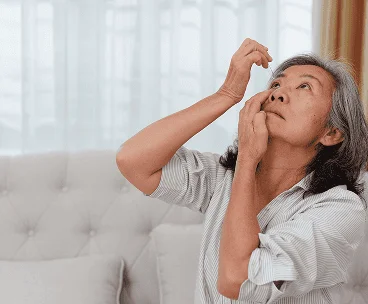
Pink Eye, also known as conjunctivitis, is a common eye condition that causes irritation, swelling, and inflammation of the membrane that covers the white of the eye.
Learn More
A urinary tract infection occurs when bacteria infect any part of the urinary system, including the bladder, kidneys, or urethra.
Learn MoreA tick bite usually looks like a small, red, slightly raised spot. It’s often itchy but rarely painful, and the tick itself may still be attached, appearing as a tiny dark dot or seed in the skin. Most bites fade within a week. The key sign to watch for is a bullseye rash — called erythema migrans — which can appear days to weeks after the bite if the tick carried Lyme disease, starting as a red circle that slowly expands, sometimes with a clearer centre.
Seek care if you develop an expanding bullseye rash or flu-like symptoms — such as fever, chills, body aches, headache, or fatigue — within about 30 days of a tick bite. Joint pain or facial drooping are also warning signs that warrant prompt attention. If a blacklegged tick was attached for more than 24 hours, you may be eligible for a single preventive dose of doxycycline to lower your Lyme risk. A Rexall Pharmacist can assess your tick bite and, if appropriate, write a prescription to treat your bite within 72 hours of removing the tick.
Lyme disease is a bacterial infection caused by Borrelia burgdorferi, spread through the bite of an infected blacklegged tick. Early symptoms appear 3 to 30 days after the bite and can include a bullseye rash, fever, chills, fatigue, headache, and muscle or joint aches. If left untreated, the infection can spread to the joints, heart, and nervous system, causing more serious and longer-lasting problems. When caught early, Lyme disease is usually cleared with a two- to four-week course of antibiotics.
No, Lyme disease is not contagious between people. You cannot catch it through kissing, hugging, sharing food, or sexual contact with someone who has it — it spreads only through the bite of an infected blacklegged tick. In rare cases it can pass from a pregnant person to their baby, which is why prompt treatment matters during pregnancy. If you think you were bitten by a tick, a Rexall Pharmacist can assess your risk and advise on next steps, including writing prescription treatment, if appropriate.
Yes, most cases of Lyme disease are cured with a two- to four-week course of oral antibiotics — such as doxycycline, amoxicillin, or cefuroxime — especially when treatment begins early. Late-stage Lyme, diagnosed months or years after infection, is usually still treatable but may require a longer course or intravenous antibiotics. A small number of people have lingering fatigue and pain after treatment, called post-treatment Lyme disease syndrome, which is managed with supportive care. Starting treatment early gives the best outcome.
Use fine-tipped tweezers to grasp the tick as close to the skin as possible, then pull straight up with steady, even pressure — do not twist, jerk, or squeeze the tick’s body. Avoid old home remedies such as petroleum jelly, nail polish, alcohol on the tick, or a lit match, as these can cause the tick to release more saliva. After removal, clean the bite area and your hands thoroughly with soap and water or rubbing alcohol. Save the tick in a sealed bag for identification, and see a Rexall Pharmacist promptly to have your Lyme risk assessed.
In Canada, Lyme disease is transmitted by the blacklegged tick — also called the deer tick (Ixodes scapularis) in the east and the western blacklegged tick (Ixodes pacificus) in British Columbia. Not every blacklegged tick is infected; infection rates vary by region and tend to be higher in established tick populations in southern Ontario, Quebec, Manitoba, Nova Scotia, and parts of BC. Other common ticks, such as the American dog tick or Rocky Mountain wood tick, do not carry Lyme disease but can transmit other illnesses.
Lyme disease is diagnosed through a combination of your symptoms, history of tick exposure, and blood tests. The standard approach uses a two-step process: an initial ELISA screening test, followed by a Western blot confirmation if the first result is positive or borderline. Blood tests are most reliable when done at least two to four weeks after a bite, since antibodies take time to develop. A Rexall Pharmacist can help you understand your next steps, including when and where to get tested, and whether preventive treatment is appropriate.
After a week, a typical tick bite from a non-infected tick should be healing — any redness or swelling usually fades within a few days. If you notice a red, circular rash that is growing outward from the bite site, this may be erythema migrans, the hallmark bullseye rash of early Lyme disease, and you should seek care promptly. The rash can appear anywhere from three days to a month after the bite and does not always have the classic bullseye pattern — it may simply be a solid, expanding red oval. Other symptoms to watch for include fatigue, fever, headache, and muscle aches.