



Let’s take control of diabetes. Together.
From A1C* testing, medication reviews and a robust selection of products, to advice and support tailored to your lifestyle – let your Rexall Pharmacist help you manage your diabetes.
*A1C testing available at select locations, excluding Manitoba.
Calculate your Body Mass Index (BMI)
Being overweight or obese puts you at greater risk for developing type 2 diabetes. Enter your height and weight in order to calculate your body mass index. Speak with your Rexall Pharmacist to understand what your BMI means for you.

Your Rexall Pharmacist
Managing the complexities of diabetes can feel overwhelming. From medication management to helpful advice, and everything in-between, your Rexall Pharmacist can help support you every step of the way.
A1C Testing
The A1C (also known as HbA1C) test measures the amount (thickness) of sugar that has been coated to your blood cells from the previous 2-3 months. Take an A1C* test with a Rexall Pharmacist who will help you understand your results and provide personalized solutions.
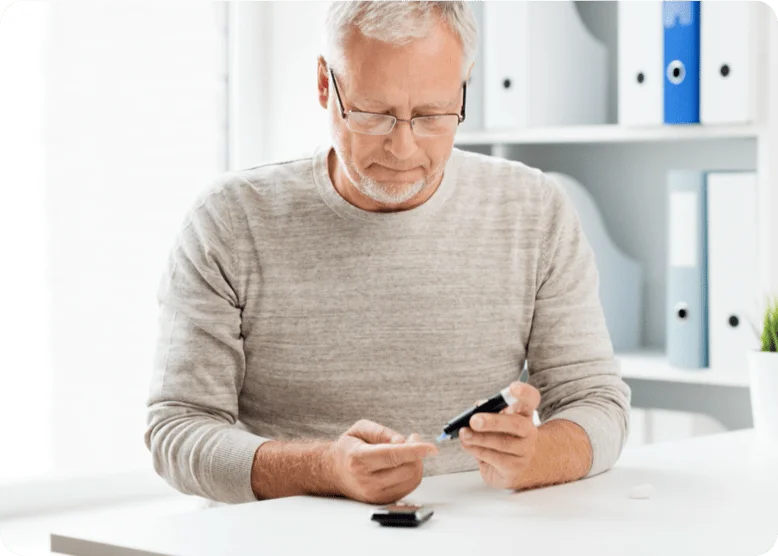
Diet
It is important to maintain a healthy diet and weight especially when living with diabetes. Get the tips and information you need to build healthy eating habits.

Exercise
Engaging in regular physical activity in conjunction with a healthy diet can provide numerous benefits for your quality of life and blood glucose control.


Caregivers
Your Rexall Pharmacist can help simplify caregiving for a loved one with helpful tools and services including medication management through the Be Well® app and direct to door prescription delivery through Rexall Direct.
Find the Right Products for You
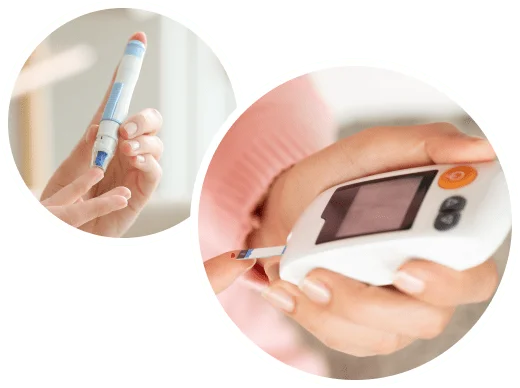
Capillary Blood Glucose (CBG)
Determination of glucose in the capillary blood using finger sticks
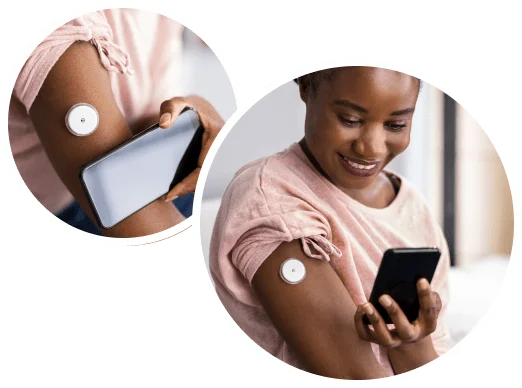
Intermittently Scanned Continuous Glucose Monitoring (isCGM)
Measurement of interstitial fluid glucose via intermittent scanning of sensing device
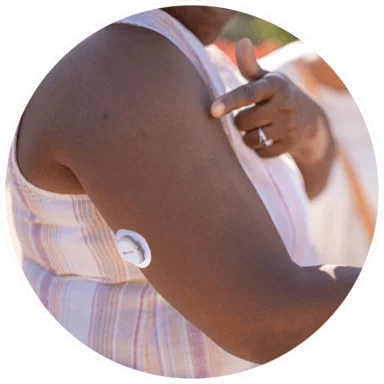
Real-time Continuous Glucose Monitoring (rtCGM)
Measurement of interstitial fluid glucose via a sensing device that is continuously transmitting the data to a device with real-time display for viewing at any time
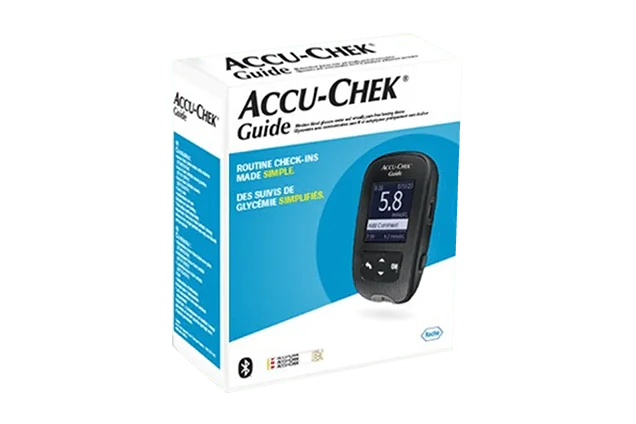
ACCU-CHEK Guide Blood Glucose Set
Roche Diabetes Care
- Capillary Blood Glucose Monitoring
- Large Meter Size
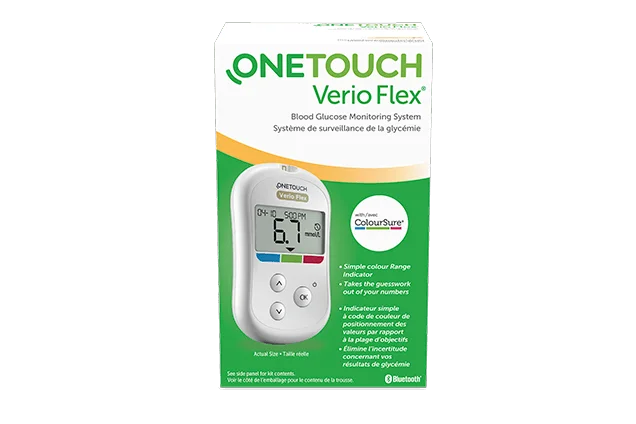
ONE TOUCH Verio Flex System Kit
LifeScan
- Capillary Blood Glucose Monitoring
- Large Meter Size
- Caregiver Access
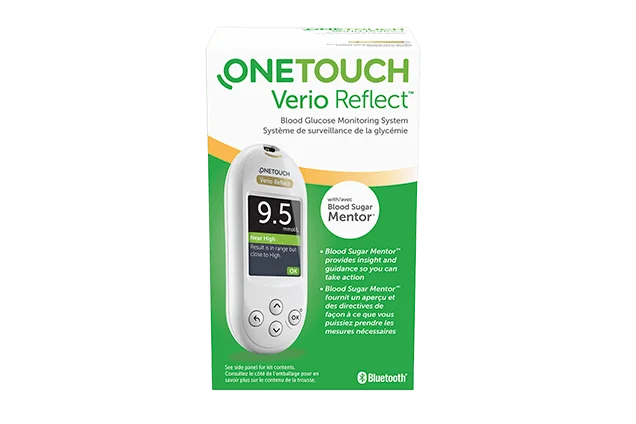
ONE TOUCH Verio Reflect System Kit
LifeScan
- Capillary Blood Glucose Monitoring
- Travel Friendly
- Caregiver Access
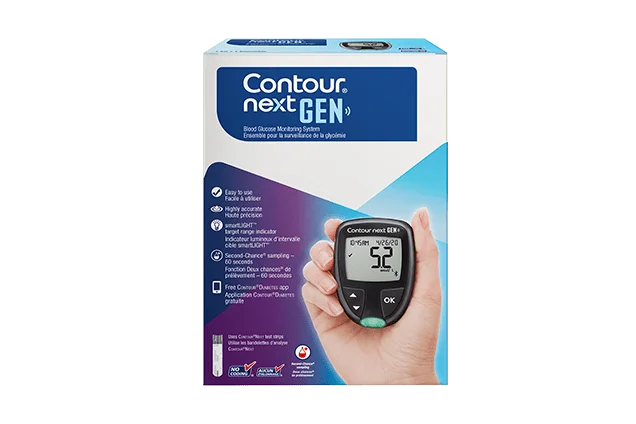
Ascencia CONTOUR®NEXT GEN Blood Glucose Meter
Ascensia Diabetes Care
- Capillary Blood Glucose Monitoring
- Large Meter Size
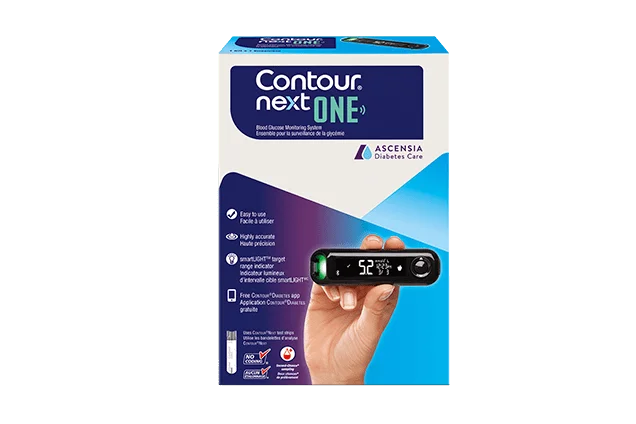
Ascencia CONTOUR®NEXT ONE Blood Glucose Meter
Ascensia Diabetes Care
- Capillary Blood Glucose Monitoring
- Travel Friendly

FreeStyle Libre 2 System
Abbott Diabetes Care
- Intermittently Scanned Continuous Glucose Monitoring (isCGM)
- Travel Friendly
- Caregiver Access

Dexcom G6
Dexcom
- Real-time Continuous Glucose Monitoring (rtCGM)
- Travel Friendly
- Caregiver Access

Dexcom G7
Dexcom
- Real-time Continuous Glucose Monitoring (rtCGM)
- Travel Friendly
- Caregiver Access

Feeling tired, extra thirsty, and unwell may be signs that your diabetes is not being adequately controlled. Speak with your Rexall Pharmacist to address any challenges you may be experiencing with managing your diabetes.

Injection Technique. The basics.
Learn MoreUse insulin to manage your diabetes? Review the injection technique basics to ensure you are getting the most out of your medication.

Use the CANRISK Assessment Tool
Take QuestionnaireThis questionnaire will help you to find out if you are at higher risk of having pre-diabetes or type 2 diabetes.
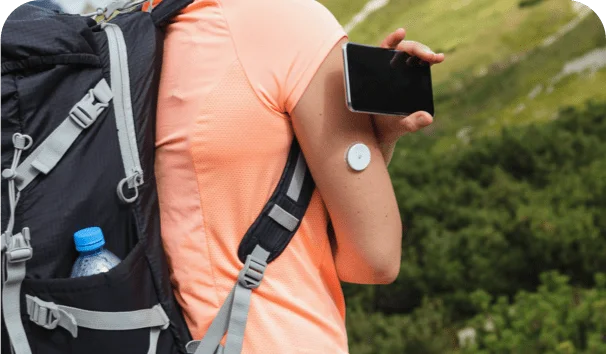
Hit the Road with a Type 1 Diabetes Travel Plan
Learn MoreBe prepared for your next trip with helpful tips and advice.

Put Your Best Foot Forward
Learn MoreOver time, diabetes can negatively affect the health of your feet. Get the tips you need to care for your feet.
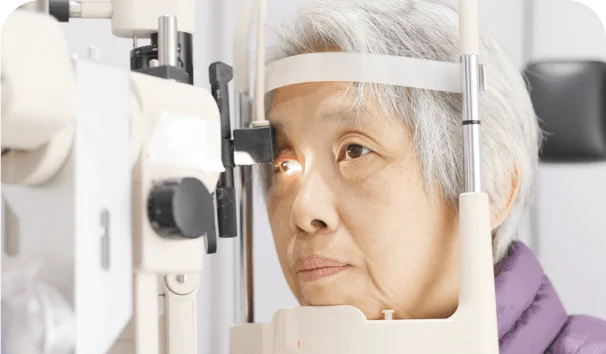
When Diabetes Goes for the Eyes
Learn MoreDiabetes can cause long-term damage to the health of your eyes. Learn about prevention tips to help keep your eyes healthy.

Taking Good Care of Your Skin
Learn MoreDiabetes can cause your skin to be dry, increasing the likelihood of skin-related complications. Get the information you need to maintain healthy skin.
Frequently Asked Questions
What is diabetes?
Diabetes is a chronic disease that results from the body's inability to sufficiently produce and/or properly use insulin, a hormone that regulates the way glucose (sugar) is stored and used in the body. The body needs insulin to use sugar as an energy source. There are several forms of diabetes: type 1, type 2 and gestational diabetes.
What is pre-diabetes?
Pre-diabetes occurs when blood glucose (sugar) levels are higher than normal, but not high enough for a diagnosis of diabetes. Glucose is the main sugar found in the blood and the body's main source of energy. If left untreated, more than half of the people with pre-diabetes will have type 2 diabetes within 8 to 10 years. Pre-diabetes can be prevented, and is most common in people over the age of 40 and in people who are overweight. Pre-diabetes can be managed, or in some cases reversed, through healthy lifestyle choices.
What is type 2 diabetes?
Type 2 diabetes occurs when the body no longer produces enough insulin, or has difficulty using the insulin it produces, causing sugar to build up in the blood. Over time, if uncontrolled, this damages blood vessels and nerves and can result in severe complications including: blindness, heart disease, stroke, kidney failure, nerve damage, amputation, and erectile dysfunction. Adopting a healthier lifestyle can help prevent or control type 2 diabetes, and can significantly reduce your risk of heart disease, and stroke. It can also contribute to your overall well-being and quality of life.
How is diabetes diagnosed?
Diabetes is diagnosed by measuring blood glucose (sugar) levels. However, there are a variety of different ways to test for diabetes. Your healthcare provider can identify which test is best for you.
Who is at-risk?
If you have one or more of the following factors, you may be at risk of developing type 2 diabetes:
- Pre-diabetes
- Overweight or obesity
- Age (people 40 years of age or older are at higher risk)
- High blood pressure
- Physically inactive
- Family history of diabetes
- Member of some ethnic populations including South Asian, East Asian, Aboriginal and Black
- History of gestational diabetes
What are the symptoms of type 2 diabetes?
Symptoms of type 2 diabetes include:
- Unusual thirst
- Frequent urination
- Unplanned weight change (gain or loss)
- Extreme fatigue or lack of energy
- Blurred vision
- Frequent or recurring infections
- Cuts and bruises that are slow to heal
- Tingling or numbness in hands or feet
- Trouble getting an erection
If you have any of these symptoms, reach out to your Rexall Pharmacist or healthcare provider. Good management can prevent, or delay complications associated with living with diabetes.