


Use Repellent
Apply an insect repellent that contains DEET before going outdoors.

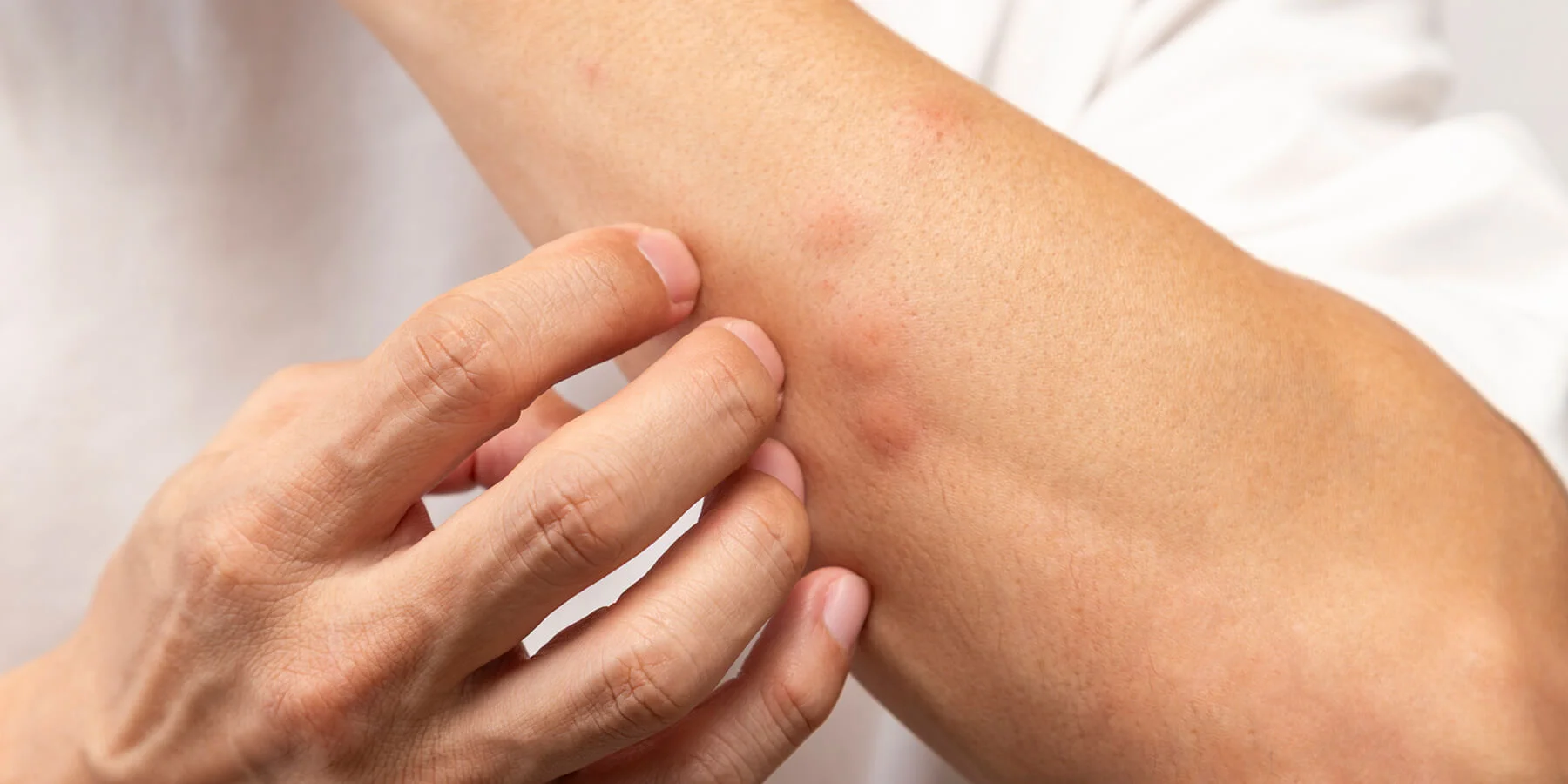
An insect bite or sting is a small red, itchy bump or blister that appears after being bitten or stung by an insect. Hives are similar—raised, red, or skin-colored itchy welts that appear suddenly, often as an allergic reaction or from stress.
Your pharmacist can assess your symptoms, write and fill prescription treatment or recommend OTC products.
Severe allergic reaction (anaphylaxis) symptoms:
West Nile virus — from an infected mosquito bite, symptoms include fever, headache, body and muscle aches, mild rash, swollen lymph glands, fatigue, and nausea or vomiting.
Malaria — uncommon in North America, but travellers in areas where malaria is common who return with a fever should see their doctor.
Zika virus — from an infected mosquito bite (also transmitted through sexual intercourse from an infected person). Common symptoms are fever, rash, joint pain, and red eyes. Can be serious in pregnant people, causing serious birth defects in babies affecting the brain, eyes, hearing, and growth.
Lyme disease — from the bite of an infected deer tick, symptoms include a bullseye rash. It's important to be diagnosed quickly, as most people respond well to antibiotics.
Rocky Mountain spotted fever — also caused by tick bites in certain endemic areas that are infected with the bacteria Rickettsia rickettsii. Most symptoms are mild or unnoticeable, but some people become seriously ill and require emergency medical care and antibiotics.
Mites — bird and animal mites occasionally bite and leave larvae (chiggers) in the skin, causing redness and itching. If you handle live birds or poultry, pigs, rabbits, cats, dogs (especially puppies), seeds, straw, or hay, you are likely to be bitten by a mite.
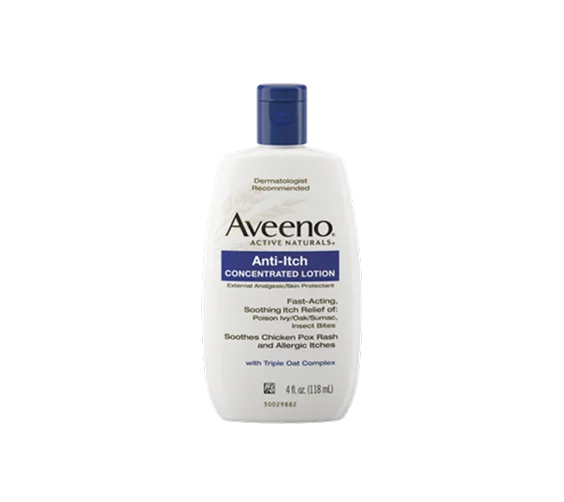
Anti-Itch Lotion - 118 ML
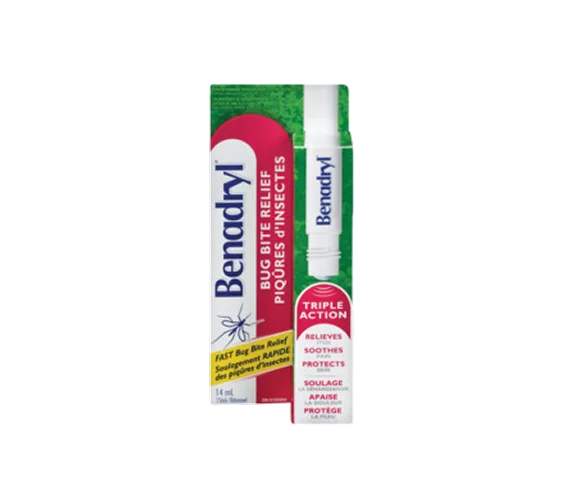
Bug Bite Itch Relief Stick - 14 ML
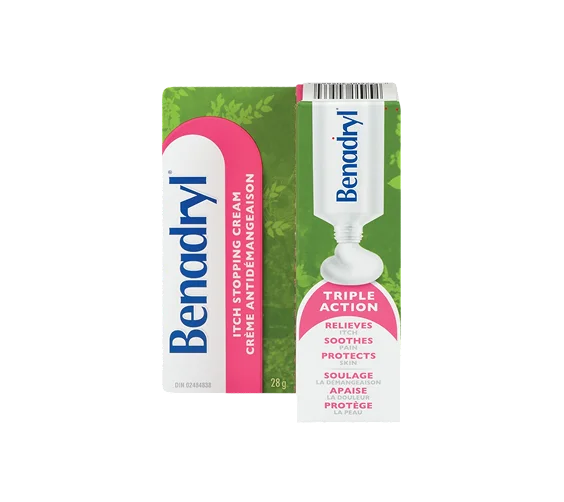
Itch Stopping Cream - 28 GR
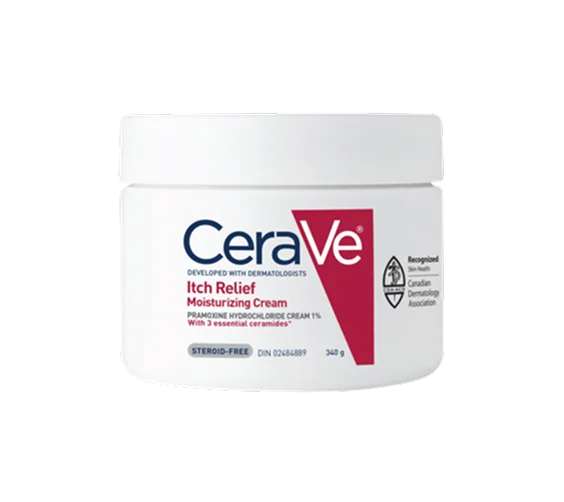
Itch Relief Moisturizing Cream - 340 GR
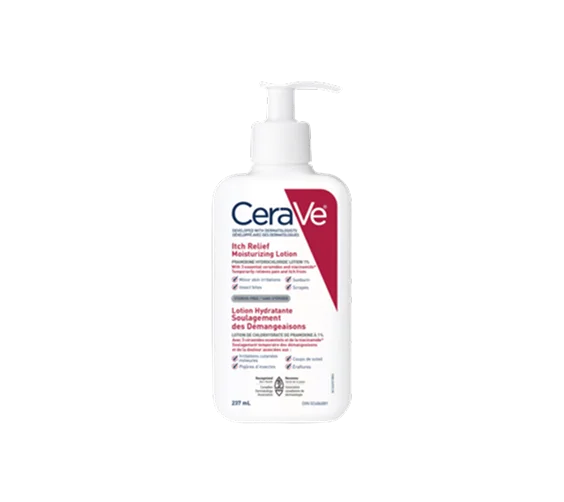
Itch Relief Moisturizing Lotion - 237 ML
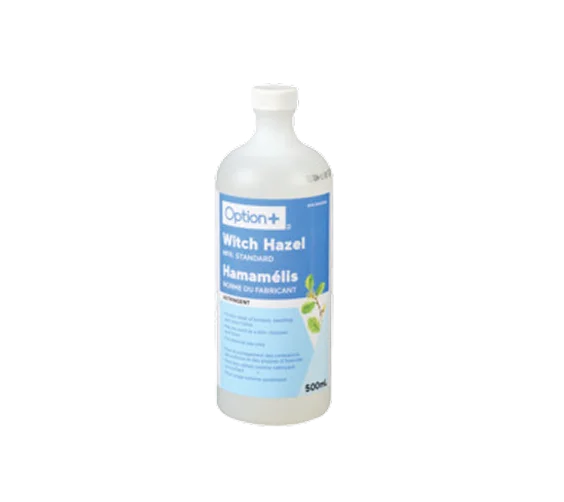
Witch Hazel - 500 ML
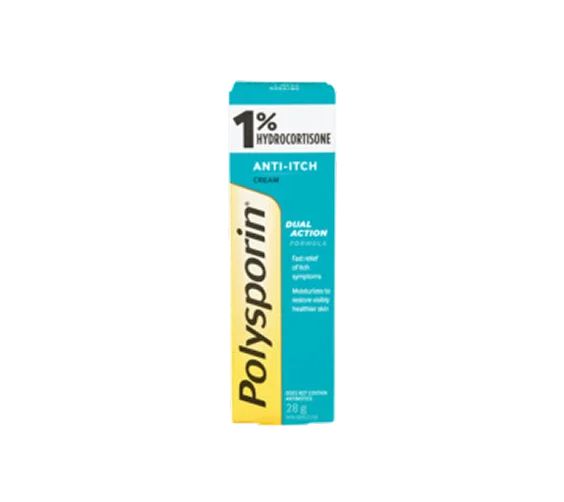
General Itch Cream 1% - 28 GR
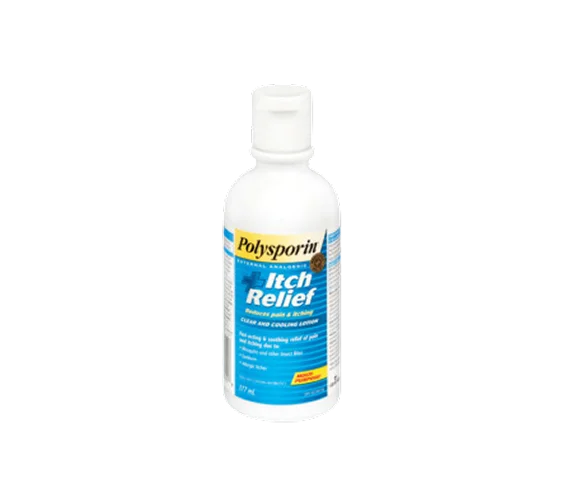
Itch Relief Lotion - 177 ML
Apply an insect repellent that contains DEET before going outdoors.
Wear long-sleeved shirts, loose-fitting clothing, and long pants, particularly in wooded areas.
If sleeping outdoors, cover strollers, play pens, and beds with a fine mesh netting.
Keep mosquitoes from breeding in stagnant water by regularly draining items like bird baths and flower pots.
Prevent ticks from latching on by tucking socks and shirts into pants.
If you’re spending time outdoors, avoid scented shampoos, soaps or perfumes.

Ticks are small, blood-sucking parasites found in wooded or tall grassy areas across Canada. Lyme disease is a bacterial infection transmitted through a bite from an infected blacklegged tick.
Learn More
A Rexall Pharmacist can help you manage a skin rash such as eczema and contact dermatitis (from poison ivy or other sources).
Learn More
The viruses that cause cold sores lie dormant until triggered by factors such as stress. Cold sores can be painful and cause unsightly sores on your lips and around your nose.
Learn More
Muscle aches and pains are extremely common and can affect any part of the body. A Rexall Pharmacist can recommend effective pain relief options.
Learn MoreHives (urticaria) appear as raised, red or skin-coloured welts that can range in size from a few millimetres to several centimetres. They are often irregularly shaped, may have pale centres, and can appear anywhere on the body. Individual welts typically fade within 24 hours, though new ones may continue to form.
Hives are most commonly triggered by allergic reactions to foods, medications, insect stings, or latex. Non-allergic causes include infections, stress, heat, cold, pressure on the skin, and vigorous exercise. In many cases, a specific trigger cannot be identified — this is known as idiopathic urticaria.
Acute hives typically resolve within a few days to six weeks once the trigger is removed or treated. Chronic hives — those lasting longer than six weeks — may persist for months or years and often require ongoing management. Antihistamines can help control symptoms while the underlying cause is investigated.
Non-sedating oral antihistamines are the first-line treatment for hives and can be taken regularly until symptoms clear. Avoiding known triggers is equally important. A Rexall Pharmacist can assess your hives and write prescription treatment, if appropriate.
Most mosquito bites cause only mild, temporary itching and redness. You should seek medical attention if a bite becomes increasingly red, warm, or swollen over 24–48 hours (signs of infection), or if you develop fever, headache, rash, or muscle aches after a bite, which can indicate West Nile virus or another mosquito-borne illness.
Yes. Emotional stress can trigger or worsen hives in some people by causing the body to release histamine and other inflammatory chemicals. Stress-induced hives look the same as other hives and are treated in the same way — with antihistamines — alongside stress-reduction strategies.
After removing the stinger by scraping (not pinching) it out, wash the area with soap and water and apply a cold compress for 10–20 minutes to reduce swelling and pain. A topical hydrocortisone cream or calamine lotion can help relieve itching and inflammation. An oral antihistamine may also be taken to manage the allergic response.
Remove the stinger immediately by scraping it out with a fingernail or credit card — squeezing with tweezers can inject more venom. Clean the site with soap and water, apply ice to minimize swelling, and take an oral antihistamine to manage itching and mild allergic symptoms. A Rexall Pharmacist can assess your bee sting and write prescription treatment, if appropriate. If you experience throat tightness, difficulty breathing, dizziness, or widespread hives, call 911, as these are signs of anaphylaxis.
In most cases hives are uncomfortable but not dangerous. However, hives accompanied by throat swelling, difficulty breathing, dizziness, or a drop in blood pressure can indicate anaphylaxis, which is a medical emergency — call 911 immediately. Chronic hives may also occasionally signal an underlying condition such as a thyroid disorder or autoimmune disease, so persistent cases should be assessed by a healthcare provider.
Hives in children are common and usually mild, but seek emergency care immediately if your child has difficulty breathing, swallowing, or speaking, or if their lips, tongue, or face are swelling. Contact your pharmacist or doctor if hives are widespread, extremely itchy, accompanied by fever, or do not improve with an age-appropriate antihistamine within a day or two.
Yes. A Rexall Pharmacist can assess your symptoms, recommend the most appropriate over-the-counter treatments, and prescribe medications when needed — including for minor allergic reactions, localized infections, or hive flare-ups. Book Consultation (opens in new tab) at your nearest Rexall to get the care you need.